


What Causes Pain in the Foot Muscles?

Some individuals experience pain in the plantar fascia (the thick band of tissue on the sole of the foot), and in severe cases, patients report such intense discomfort that it becomes unbearable. So, what causes plantar fascia pain?
What Causes Plantar Fascia Pain?
Plantar fascia pain is commonly attributable to plantar fasciitis, calcaneal spurs (heel spurs), or bursitis. Clinically, plantar fasciitis is the most frequent cause. Wearing ill-fitting footwear, localized pressure, trauma, or exposure to cold stimuli can all trigger aseptic inflammation of the plantar fascia. This leads to local edema, exudation, and—over time—adhesions and fibrous nodule formation within the fascial tissue. In mild cases, activity restriction and limb elevation help reduce swelling and alleviate pain. Local corticosteroid injections or minimally invasive “small needle-knife” therapy may further relieve symptoms. For patients with severe adhesions, minimally invasive surgical intervention may be considered to release adhesions and improve clinical outcomes.
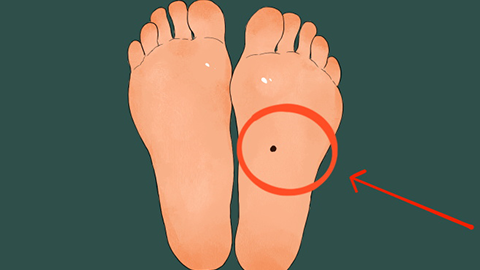
Small needle-knife therapy is an effective treatment for plantar muscle pain; post-procedure, gentle soft-tissue relaxation techniques are recommended. Alternatively, local corticosteroid injection therapy may be administered—typically using a 1:1 mixture of triamcinolone acetonide (or betamethasone) and lidocaine. Lifestyle modifications are also essential: individuals with higher body weight should actively pursue weight management; footwear should feature soft, cushioned soles to provide optimal support and reduce stress on the plantar fascia; prolonged standing and excessive fatigue should be avoided.

Before bedtime, soaking the feet in warm water for 30 minutes followed by topical application and gentle massage with a topical analgesic (e.g., diclofenac gel or similar) may provide additional relief. We hope this article has been helpful. Wishing you a joyful life and good health!


