


What medication should be used for peeling, itching, and small blisters on the soles of the feet?

Some individuals experience peeling skin on the soles of their feet accompanied by itching. What medications should be used when peeling, itching, and small blisters appear on the soles?
What medications should be used for peeling, itching, and small blisters on the soles of the feet?
The appearance of blisters and itching on the feet primarily suggests two possible conditions. The first is tinea pedis (athlete’s foot), a fungal infection commonly referred to as “foot odor” in lay terms. For cases presenting with vesicular (blistering) and macerated (moist, softened) lesions, scaling, and pruritus, antifungal therapy is indicated. Oral antifungals such as terbinafine hydrochloride or itraconazole may be prescribed, along with topical antifungals like ketoconazole cream or clotrimazole cream. In daily life, patients should wash socks frequently, change socks regularly, wear dry shoes, and disinfect socks with hot water after washing. Avoid using extremely cold or hot water for washing feet, and minimize contact with alkaline substances that may cause irritation.
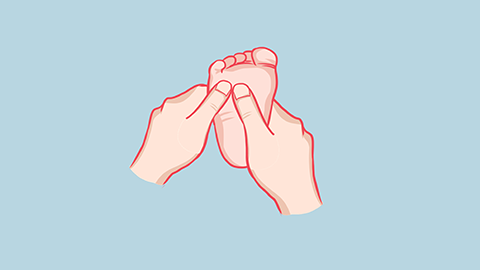
The second possibility is dyshidrotic eczema—a specific type of eczema. Differentiating between these two conditions is essential, as dyshidrotic eczema requires treatment with topical corticosteroids. Patients should avoid washing feet with extremely cold or hot water and refrain from contact with irritants such as soap and other alkaline substances. Topical corticosteroid ointments (e.g., mometasone furoate cream or desonide cream) may be applied. Additionally, emollients such as vitamin E cream can be used regularly to protect and moisturize the skin of the feet.
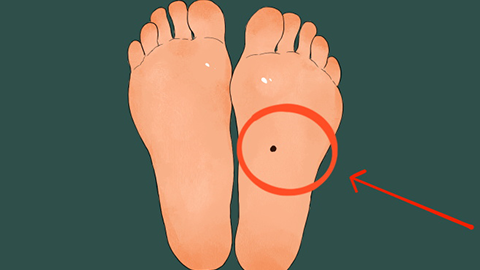
Oral antifungal agents may also be used during treatment. It is recommended to maintain good hygiene habits—frequent handwashing, regular laundering of towels, clothing, and bedding. Diet should be light and bland; spicy, irritating foods, alcohol, strong tea, and coffee should be avoided. We hope this article has been helpful. Wishing you a joyful life and good health!


