


Characteristics of Hepatic Pain in Primary Hepatocellular Carcinoma

Due to various lifestyle-related factors, the incidence of primary liver cancer is increasing. However, many patients remain unaware of the characteristic features of hepatic pain associated with primary liver cancer. So, what are the characteristic features of hepatic pain in primary liver cancer?
Characteristic Features of Hepatic Pain in Primary Liver Cancer
The characteristics of hepatic pain in primary liver cancer closely correlate with the disease’s progression. In early-stage disease, hepatic pain is typically mild and localized to the right upper quadrant or epigastric region, presenting as persistent dull or distending pain. As the disease advances and tumor burden increases, stretching of the liver capsule may occur, causing pain to radiate to the shoulder, lumbar, and back regions. The pain may become severe and intense; in some cases, signs of peritonitis may develop. Particularly when tumor rupture leads to hemorrhagic peritonitis, the pain may be sharp and knife-like.
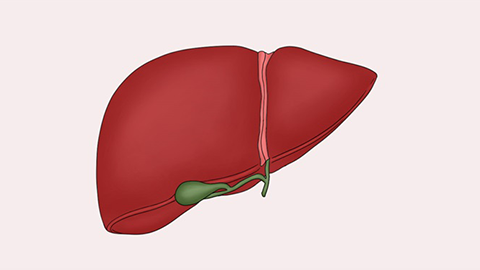
Primary liver cancer can be treated surgically—provided the patient is diagnosed at an early stage, without intrahepatic metastasis, with lesions confined to one lobe of the liver, without distant organ metastasis, and with adequate cardiac, pulmonary, hepatic, and renal function. For patients diagnosed early and treated promptly with surgery, the 3-year postoperative survival rate ranges from 30% to 50%. For patients with intrahepatic or distant organ metastases at diagnosis, repeated hepatic arterial infusion chemotherapy may be employed to control tumor progression.
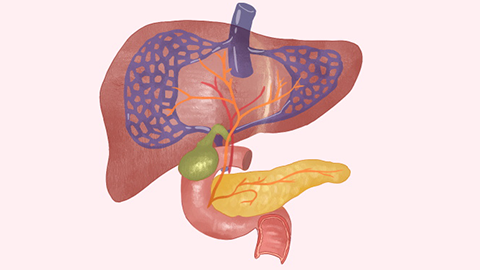
In advanced stages, radiofrequency ablation may also be considered to alleviate the tumor’s impact on the patient. Concurrently, hepatoprotective and symptomatic treatment should be administered. Intravenous supplementation of human serum albumin and plasma may be used later to mitigate manifestations of hypoalbuminemia. We hope this information proves helpful to you!


