


Inheritance Pattern of Hemophilia A

Hemophilia is an inherited disorder in which patients experience prolonged or uncontrolled bleeding following injury, significantly impairing their daily lives. How is hemophilia A inherited?
Inheritance Pattern of Hemophilia A
Hemophilia A is primarily inherited in an X-linked recessive pattern: females serve as carriers, while males are typically affected—or the condition may skip a generation. It is generally caused by chromosomal abnormalities leading to impaired coagulation factor function, most commonly involving the X chromosome. The most frequent inheritance scenario is a mother who carries the hemophilia A gene passing it on to her son.
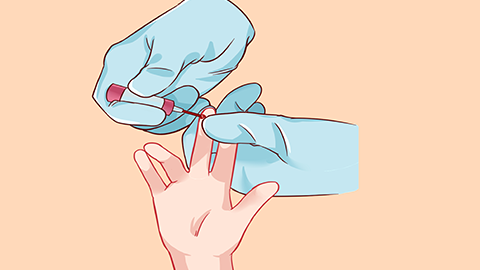
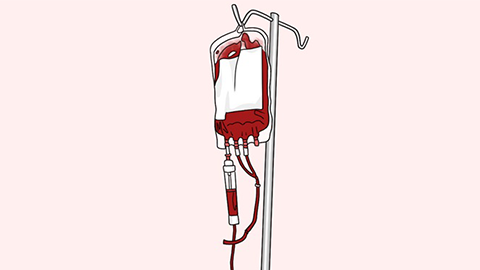
Hemophilia A—also known as “type A hemophilia”—typically manifests in childhood with prolonged bleeding after minor trauma, petechiae and ecchymoses on the skin and mucous membranes, and potentially subcutaneous, intra-articular, or intramuscular hematomas. Repeated joint hemorrhages may lead to chronic joint deformities upon hematoma resolution, severely compromising patients’ quality of life. Currently, there is no definitive cure for this condition; treatment mainly involves plasma-derived factor replacement therapy to elevate clotting factor levels and reduce bleeding episodes.
It is important to note that hemophilia comprises three types—A, B, and C—each with distinct inheritance patterns. Hemophilia A predominantly affects males, though female carriers may occasionally exhibit mild symptoms such as skin, mucosal, or joint bleeding. We hope this information has been helpful!


