


Efficacy of Compound Shangtong Capsules

Compound Shangtong Capsules are primarily indicated for localized musculoskeletal soft-tissue injuries or fractures in patients. What, then, are the therapeutic effects of Compound Shangtong Capsules?
Therapeutic Effects of Compound Shangtong Capsules
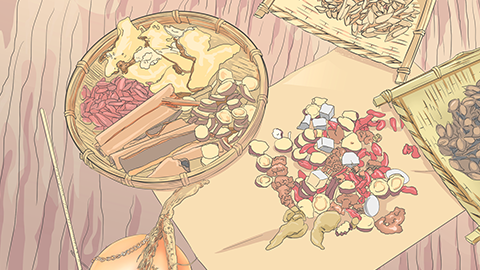
Compound Shangtong Capsules are a traditional Chinese medicine (TCM) formulation whose main ingredients include rhubarb (Rhei Radix et Rhizoma), Chinese angelica (Angelica sinensis), bupleurum (Bupleuri Radix), and trichosanthes root (Trichosanthis Radix), among others. Its primary actions are promoting blood circulation to resolve stasis and regulating Qi flow to relieve pain. In TCM practice, it is commonly used for acute thoracic wall sprains with blood stasis syndrome, as well as for acute soft-tissue injuries characterized by blood stasis—manifesting clinically as localized pain, swelling, and ecchymosis.
The use of TCM must strictly follow TCM theoretical principles and be guided by qualified TCM practitioners or pharmacists specializing in Chinese herbal medicine. Meanwhile, given the advances in Western medicine, acute soft-tissue injuries accompanied by pain can also be effectively managed using evidence-based Western medical treatments; therefore, such conditions should ideally be treated under standardized Western medical evaluation and management. If symptoms are mild and do not warrant hospital evaluation, this medication may be considered. However, if no improvement is observed after short-term use—or if symptoms fail to alleviate—prompt consultation at a reputable healthcare facility is strongly advised.
Pregnant women are advised to avoid taking this medication, as its blood-activating properties may stimulate fetal movement and cause restlessness in utero. Some individuals may experience noticeable gastrointestinal irritation following administration, including increased bowel movement frequency. If such side effects are mild, continued use may be acceptable; symptoms typically subside gradually upon discontinuation.

This medication is also effective for acute thoracic wall sprains. A minority of patients may experience increased stool frequency during treatment, but this generally resolves spontaneously after cessation of therapy. We hope this information has been helpful!


