


Is Botox for facial slimming dangerous?

With improvements in living standards, people today place increasing emphasis on physical appearance. Individuals dissatisfied with their facial contours often consider “face-slimming injections” to achieve their aesthetic goals—yet they remain concerned about potential adverse effects on their health. So, are face-slimming injections dangerous?
Are Face-Slimming Injections Dangerous?
Face-slimming injections contain botulinum toxin, which carries minimal injection-related risks when administered clinically. Botulinum toxin is a potent neurotoxin; accidental intravascular injection may cause localized adverse effects, but the risk of fatality is extremely low—doses used for cosmetic purposes are far below lethal levels. However, inaccurate injection placement may cause the toxin to migrate to adjacent muscles, particularly the facial expression muscles, resulting in temporary facial stiffness or asymmetry. For instance, if the injection inadvertently affects the facial nerve near the outer canthus (corner of the eye), it may impair eyelid opening and lead to ptosis (drooping of the upper eyelid). Similarly, injections near the orbicularis oris muscle—whether targeting depressor or elevator fibers around the mouth—may disrupt normal muscular contraction, altering lip position or symmetry.
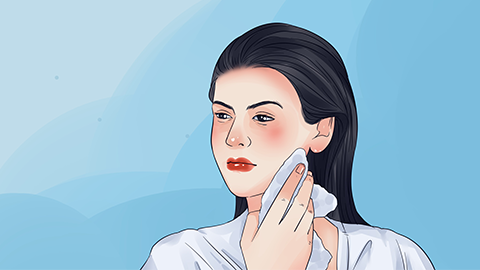
After receiving face-slimming injections, avoid contact of the treated area with water for 12 hours; if accidental contact occurs, promptly pat dry with a clean, dry towel. Refrain from eating for 12 hours post-injection. Since these injections primarily target the masseter muscles, vigorous jaw movement shortly before or after treatment may interfere with optimal toxin uptake; therefore, it is advisable to eat a full meal prior to the procedure. Additionally, avoid applying cold or heat packs to the face, and especially refrain from massaging the injection site during the immediate post-treatment period. These activities may cause the botulinum toxin to diffuse beyond the intended masseter muscles into neighboring facial muscles—including those responsible for expression—potentially leading to unintended muscle atrophy and impaired facial expressiveness.

In daily life, avoid spicy or irritating foods, drink plenty of water to support metabolic detoxification, and engage in moderate outdoor exercise to bolster immune function. We hope this information proves helpful!


