


What should I do if my child has watery diarrhea?

Over the past two days, my child has had frequent diarrhea, shows little interest in eating, and appears lethargy—causing great concern as a parent. I’m unsure how to comfort my child. So, what should be done when a child experiences watery diarrhea?
What to Do for Watery Diarrhea in Children
Children with diarrhea may benefit from oral gastrointestinal mucosal protective agents to help repair damaged intestinal lining. Additionally, medications that promote gastrointestinal motility can be used to regulate digestive function. It is essential to maintain strict dietary hygiene for children with diarrhea. Parents must ensure food and drinking water are clean and safe, provide fresh, nutritious meals, and foster good dietary hygiene habits in children. Children should avoid unclean or contaminated foods; hands must be washed thoroughly before meals; utensils should be properly disinfected; and toys or surfaces frequently touched by children’s hands should be kept clean.
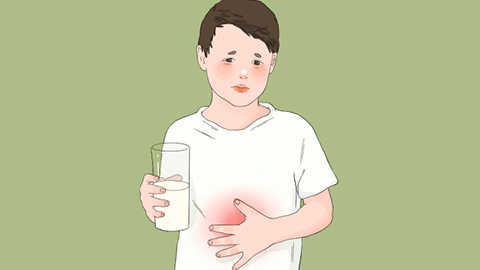
Strengthen the child’s immune resistance. Appropriate outdoor physical activity not only enhances physical fitness but also improves the child’s adaptability to environmental changes, helping prevent common colds. Pay close attention to weather fluctuations and adjust clothing and bedding accordingly to avoid heatstroke or colds. Simultaneously, take preventive measures against viral infections and colds to bolster the child’s defense against rotavirus.
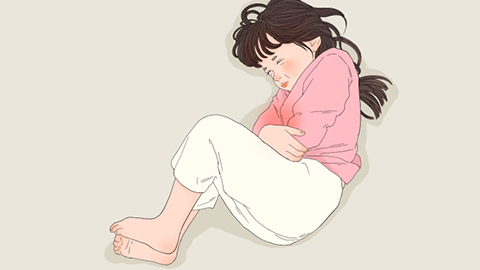
Avoid prolonged or unnecessary use of antibiotics. Long-term or inappropriate antibiotic use can disrupt the intestinal microbiota, potentially leading to antibiotic-associated colitis. For infants, breastfeeding is strongly recommended. Breast milk is naturally at an optimal temperature, nutritionally complete, and contains immunoglobulins and other immune-protective components—making it highly effective in preventing rotavirus infection. We hope this information proves helpful!


