


What is traction therapy for lumbar disc herniation?

Lumbar disc herniation is one of the diseases that significantly impact human health and can severely affect patients’ quality of life. Early detection and prompt treatment are essential. But what exactly is traction therapy for lumbar disc herniation?
What Is Traction Therapy for Lumbar Disc Herniation?
Traction therapy for lumbar disc herniation involves pelvic traction to increase the intervertebral space, thereby reducing intradiscal pressure and enlarging the spinal canal volume—thus alleviating irritation or compression of the nerve roots. The traction weight is individually tailored, typically ranging from 7 to 15 kg, with reverse traction achieved by elevating the foot end of the bed. A standard course lasts approximately two weeks, with two sessions per day, each lasting 1–2 hours. This method is contraindicated in pregnant women, as well as in patients with hypertension or heart disease. Computer-controlled traction tables are also available today; however, their efficacy is generally inferior to that of conventional continuous lumbar traction.
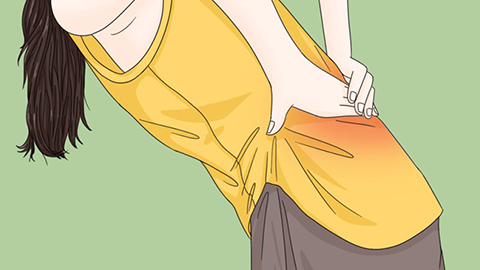
A comprehensive treatment approach—including exercise therapy, physical modalities (e.g., traction), and pharmacotherapy—is recommended for lumbar disc herniation. Among these, pharmacotherapy offers convenience and rapid symptom relief and is therefore most commonly used. Yaotongning Capsules, a widely prescribed orthopedic medication in clinical practice, contain herbs that reduce swelling, dispel cold, and promote blood circulation. After administration, they improve blood flow to the lumbar musculature, helping alleviate low back pain, numbness, and soreness. Combining consistent medication use with appropriate therapeutic exercises yields optimal outcomes; however, excessive exercise is not advised during acute exacerbations.

Continuous lumbar traction is primarily indicated for conditions such as lumbar disc herniation and lumbar spinal stenosis. It is suitable for both early- and late-stage disease and can provide rapid and substantial relief of clinical symptoms. We hope this information has been helpful to you!


