What are the primary pathogenic factors of *Salmonella typhi*?
Jun 01, 2022
Source: Cainiu Health

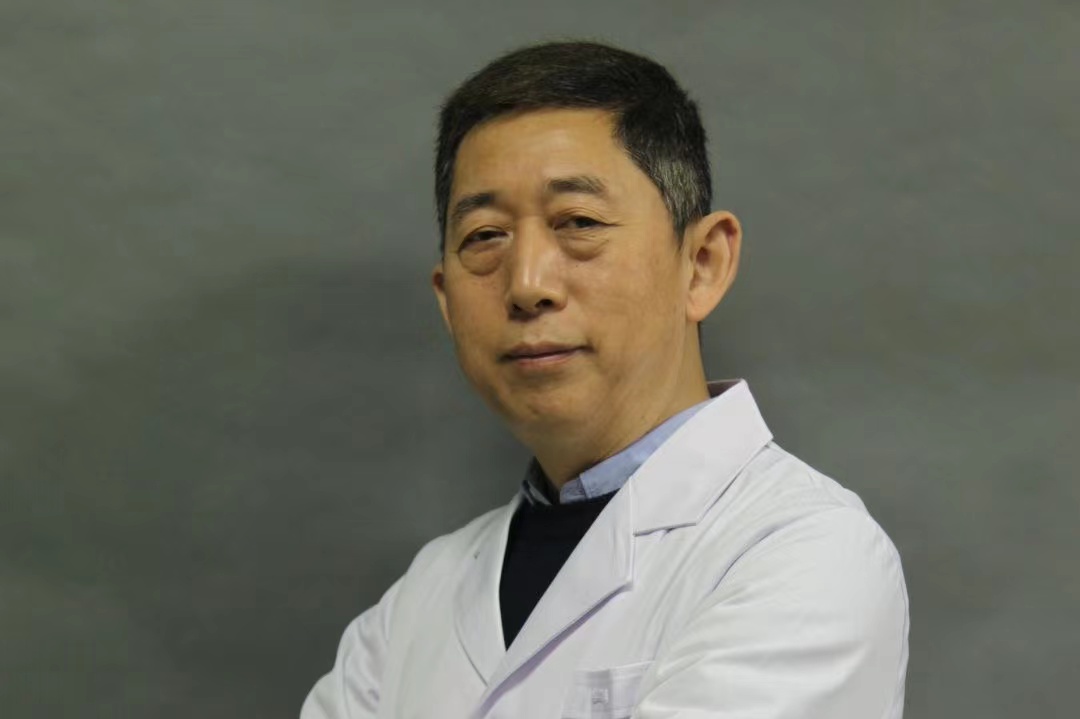
Dr. Jiang Weimin
Introduction
The primary causative factor of *Salmonella typhi* infection is contaminated water, most likely transmitted via water sources polluted by infected individuals. This is a relatively common acute intestinal infectious disease, frequently occurring during the summer and autumn months each year, and is highly contagious. Following infection, patients commonly experience symptoms such as headache, dizziness, nausea, vomiting, and generalized fever.
*Salmonella typhi* is a highly virulent pathogen. Infection with *S. typhi* carries a high transmission risk. The bacteria persist for extended periods in urine and feces, and infection can result from multiple causative factors. What, then, are the primary pathogenic factors of *Salmonella typhi*?
What Are the Primary Pathogenic Factors of Salmonella typhi?
The principal pathogenic factor for *Salmonella typhi* is contaminated water—often transmitted via water sources polluted by infected individuals. Typhoid fever is a relatively common acute intestinal infectious disease, most frequently occurring during the summer and autumn months, and is highly contagious. Following infection, patients commonly experience symptoms including headache, dizziness, nausea, vomiting, and generalized fever. Prompt treatment of *Salmonella typhi* infection is essential to prevent complications involving multiple organ systems and to mitigate the systemic effects of endotoxin release.

Patients should maintain strict bed rest and receive close monitoring of vital signs. A liquid diet is recommended, administered in small, frequent meals. For fever, active cooling measures—primarily physical methods—should be initiated. Additionally, symptomatic management should address associated gastrointestinal manifestations such as constipation, diarrhea, and abdominal distension.

In severe cases—particularly those complicated by pronounced toxemia—adrenal corticosteroids may be considered. However, antimicrobial therapy targeting the causative pathogen remains the cornerstone of treatment. Third-generation fluoroquinolones are the first-line antibiotics, with a typical treatment duration of approximately two weeks. We hope this information proves helpful.