


What Is Febrile Seizure in Children?

Some preschool-aged children may experience febrile seizures during their development. Parents should closely monitor their child, and if symptoms are severe, they should promptly seek medical evaluation and treatment at a hospital. So, what exactly is febrile seizure in children?
What Is Febrile Seizure in Children?
Febrile seizures in children are typically triggered by elevated body temperature—often due to bacterial infection or other illnesses. Because the child’s cerebral cortex is still immature, it may become hyperexcitable under fever conditions, leading to seizures. Additional symptoms may include staring, strabismus (deviated gaze), or upward eye deviation. Immediate medical attention is essential. Intravenous sedatives are administered to control convulsions, followed by antipyretic measures to reduce fever and alleviate symptoms. Finally, the specific treatment plan is tailored according to the child’s clinical course and individual condition.

Febrile seizures primarily occur during the early stages of respiratory infections or other infectious diseases in childhood, when body temperature rises above 39°C. These seizures are diagnosed only after excluding organic or metabolic causes—such as intracranial infection—that could provoke convulsions. Clinical manifestations include sudden generalized or focal muscle rigidity or clonic jerking, staring, strabismus, nystagmus, or upward eye deviation, often accompanied by loss of consciousness. Febrile seizures are classified into two types: simple febrile seizures and complex febrile seizures.
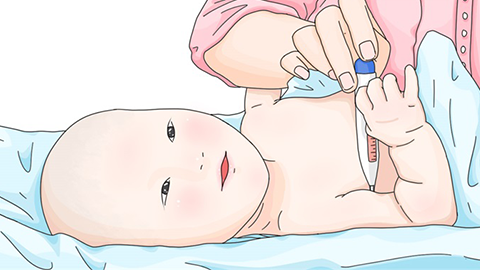
Febrile seizures can occur at any age in childhood but are most common between 6 months and 4 years. Simple febrile seizures generally carry an excellent prognosis, whereas complex febrile seizures are associated with a poorer outcome. We hope this information is helpful to you.


