


How long can patients with hepatocellular carcinoma survive?

During the company’s most recent routine health examination, a colleague was diagnosed with liver cancer, causing widespread concern among staff about life expectancy.
How long can patients with hepatocellular carcinoma survive?
With active cooperation with physicians for diagnostic evaluations and regular hospital follow-ups, the average survival period is approximately five years. Hepatocellular carcinoma may arise from chronic infections or underlying conditions such as cirrhosis, diabetes, or poor dietary habits—including frequent consumption of mold-contaminated foods—and smoking cannot be ruled out as a contributing factor. Early-stage cases require prompt evaluation by an oncology specialist. Once the etiology is confirmed, treatment should be selected in accordance with the physician’s recommendations.
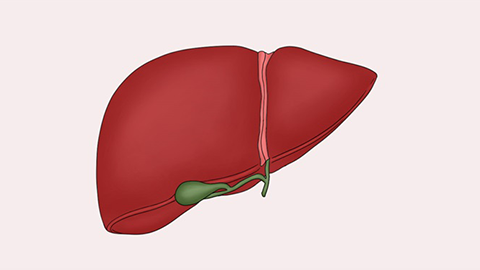
Lower-limb edema in intermediate-to-advanced hepatocellular carcinoma: Patients with hepatocellular carcinoma and ascites frequently develop lower-limb edema. Mild cases typically manifest as ankle swelling, while severe cases may involve the entire lower extremity. This results primarily from venous compression by ascites or tumor thrombus-induced obstruction of venous return. Mild edema may also stem from hypoalbuminemia. Acute abdominal pain in hepatocellular carcinoma: Some patients experience acute abdominal pain following rupture of a tumor nodule, accompanied by peritoneal irritation signs—often misdiagnosed as acute peritonitis. Pain due to nodule rupture is commonly associated with hypotension or even shock, representing a serious and life-threatening complication of hepatocellular carcinoma.

Excessive physical or mental exertion not only weakens the body’s resistance in patients with liver cancer—potentially promoting cancer recurrence or metastasis—but also exacerbates hepatic functional impairment, leading to disease progression. We hope this information proves helpful to you!


