


What does a premarital medical examination include?
Jun 01, 2022
Source: Cainiu Health

Dr. Lv Aiming
Introduction
Pre-marital examinations include reviewing the family history of hereditary diseases, as well as assessing any personal or familial history of mental illness or genetic disorders. Physical examinations of the male and female genitalia are conducted, along with instrumental diagnostic tests—such as ultrasound examination of the uterus and ovaries in females, and ultrasound examination of the testes, bladder, and prostate in males. For males, semen analysis and prostatic fluid analysis are required. For females, breast examination and thyroid examination are performed.
Prior to marriage, both female and male partners should undergo premarital medical examinations to prepare adequately for future childbearing. Ensuring that both individuals are in good health significantly increases the likelihood of having a healthy baby. So, what does a premarital examination entail?
What Does a Premarital Examination Include?
A premarital examination includes reviewing family medical history—particularly for hereditary or genetic disorders—and assessing whether either partner has a history of mental illness or genetic conditions. It also involves physical examinations of the male and female genitalia, as well as instrumental diagnostic tests—for example, ultrasound imaging of the uterus and ovaries in women, and ultrasound evaluation of the testes, bladder, and prostate in men. For men, semen analysis and prostatic fluid examination are required; for women, clinical breast examination and thyroid assessment are performed. Additionally, the examination evaluates baseline health status—including assessments of the heart, lungs, liver, gallbladder, pancreas, spleen, and kidneys—as well as blood tests for blood glucose, lipid profile, liver function, kidney function, and electrocardiography (ECG).
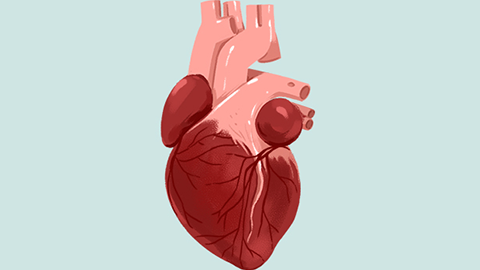
A premarital examination encompasses not only physical health screening but also education on reproductive health and related topics. Since most individuals preparing for marriage lack specialized knowledge about marital and reproductive health, the premarital examination serves as a shared learning opportunity for both partners—laying a solid foundation for their future life together. Should similar health-related issues arise later in their married life, they will be better equipped to respond knowledgeably rather than remain uninformed. After all, marriage is a serious commitment; only through mutual responsibility and collaborative effort can a couple build a happy and fulfilling life.

To prepare for the premarital examination, individuals must fast—refraining from food and drink—before the exam to ensure accurate test results. Furthermore, sexual abstinence is required for both partners prior to the examination. This precaution helps guarantee the reliability of laboratory and clinical findings. Additionally, it is advisable to maintain a calm and relaxed mindset before and during the examination, avoiding emotional fluctuations. We hope this information proves helpful to you.




