


How to effectively treat fallopian tube obstruction
Jun 01, 2022
Source: Cainiu Health

Dr. Zhang Lu
Introduction
Infertility is caused by fallopian tube obstruction. Treatment options for fallopian tube obstruction include:
- Hydrosalpinx management, primarily targeting proximal tubal obstruction.
- Hysteroscopic combined surgery: applying pressure at the proximal end and laparoscopically separating fimbrial adhesions.
- In vitro fertilization (IVF): retrieval of sperm and oocytes, followed by 3-day in vitro culture, and subsequent embryo transfer into the maternal uterine cavity—thereby artificially substituting for fallopian tube function.
The fallopian tubes serve as a critical passageway for female conception; however, tubal obstruction often leads to infertility in women. So, how is tubal obstruction best treated?
How Is Tubal Obstruction Best Treated?
Infertility caused by tubal obstruction can be managed through several approaches: For hydrosalpinx—primarily associated with proximal tubal obstruction—treatment options include hysteroscopic combined surgery: hysteroscopic adhesiolysis and proximal tubal insufflation, along with laparoscopic fimbriolysis to separate end-to-end adhesions at the fimbrial ends of the fallopian tubes. In vitro fertilization (IVF) may also be employed—sperm and oocytes are retrieved and cultured together for three days in vitro before being transferred into the maternal uterine cavity, thereby artificially substituting for normal tubal function.
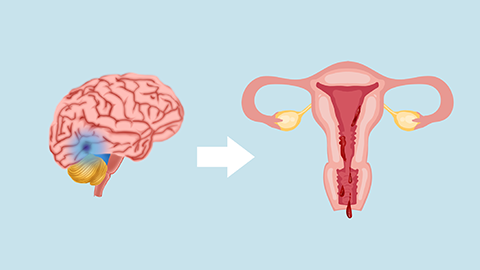
Tubal obstruction has numerous underlying causes. First and foremost is infection by pathogenic microorganisms—including *Chlamydia trachomatis*, anaerobic bacteria, and *Mycoplasma* species—which damage the tubal mucosal epithelium, trigger inflammatory responses, and disrupt normal tissue architecture, ultimately resulting in tubal adhesions and obstruction. Second, other contributing factors include intrauterine device (IUD) insertion, medical abortion, hydrosalpinx, prior abdominal surgery, and congenital tubal anomalies. Patients are advised to undergo etiology-specific treatment and maintain a relaxed, positive mindset to avoid excessive psychological stress.
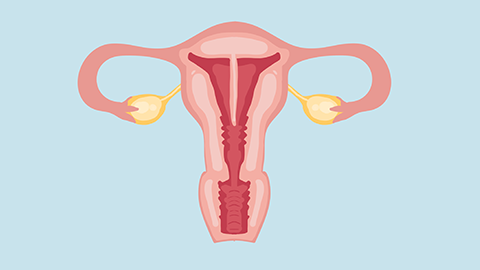
Women should practice good personal hygiene in daily life: regularly cleanse the perineal area with warm water; especially before and after sexual intercourse, meticulous hygiene measures should be taken to prevent pathogen invasion and reduce the risk of gynecological infections.



