


What should I do if my C-reactive protein (CRP) level is elevated?
Jun 01, 2022
Source: Cainiu Health

Dr. Cheng Lin
Introduction
When C-reactive protein (CRP) levels are elevated, etiological treatment and symptomatic supportive therapy should be administered. If the elevated CRP is due to acute inflammation, anti-inflammatory medications should be given to control the inflammation. If severe trauma causes markedly increased CRP levels, wound repair and supportive care are required. Elevated CRP is associated with acute inflammation.
C-reactive protein (CRP) is a plasma protein; both elevated and decreased CRP levels can cause harm to the body. What should be done if CRP levels are elevated?
What to do when CRP levels are elevated
When CRP levels are elevated, etiological treatment and symptomatic supportive therapy should be initiated. If acute inflammation is responsible for the elevated CRP, anti-inflammatory medications should be administered. In cases of severe trauma leading to markedly elevated CRP levels, wound management and supportive care are essential.
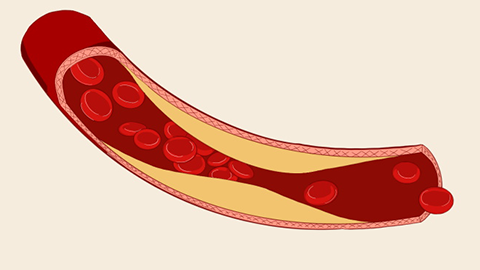
Elevated CRP levels are associated with various conditions, including acute inflammation, tissue necrosis, surgical trauma, and radiation injury. CRP is primarily synthesized by the liver and is a commonly used clinical laboratory test. There are numerous causes of elevated CRP, among which acute inflammation is relatively common. Elevated CRP is frequently observed in purulent infections and tissue necrosis. For example, patients hospitalized for myocardial infarction, acute rheumatic fever, or acute arthritis may exhibit increased CRP levels. Similarly, patients with systemic lupus erythematosus, widely metastatic malignancies, or active pulmonary tuberculosis often show elevated CRP. Moreover, CRP testing helps differentiate bacterial from viral infections, serves as a monitoring parameter in rheumatic diseases, and aids in predicting the severity of acute myocardial infarction.

Patients with elevated CRP may experience symptoms such as nausea, vomiting, abdominal distension and pain, and diarrhea. Such individuals should seek further evaluation at a hospital, where a qualified physician can establish a diagnosis and recommend an appropriate, individualized treatment plan. Self-medication or indiscriminate use of drugs should be avoided, as it may cause unintended harm to the body.






