What Are the Symptoms of Gastric Bleeding?
Jun 02, 2022
Source: Cainiu Health

Dr. Zhao Haiming
Introduction
Some individuals may vomit material resembling coffee grounds, while others may vomit bright red blood or dark red blood—sometimes even containing clots. Such hematemesis (vomiting of blood) is typically caused by diseases affecting the upper gastrointestinal tract, including the stomach and duodenum. For bleeding to occur, the integrity of the mucosal lining must be compromised—whether due to gastritis, congenital or acquired vascular abnormalities beneath the mucosa, or ulcers—all of which disrupt mucosal integrity.
The stomach is a vital organ of the digestive system. Neglecting dietary habits can lead to various gastric disorders, among which gastric bleeding is a common condition. What are the symptoms of gastric bleeding?
What Are the Symptoms of Gastric Bleeding?
In cases of minor bleeding, some individuals may exhibit no symptoms at all. Clinically, when bleeding volume is substantial, hematemesis (vomiting blood) may occur. Some patients vomit material resembling coffee grounds; others may expel bright red or dark-red blood, sometimes accompanied by clots. Such clot-related bleeding typically originates from diseases affecting the upper gastrointestinal tract—including the stomach and duodenum. For mucosal bleeding to occur, the integrity of the gastric mucosa must be compromised—whether due to gastritis, congenital or acquired vascular abnormalities beneath the mucosa, or ulceration.
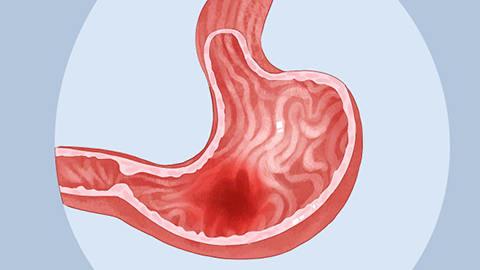
Treatment for gastric bleeding includes hemostatic medications and gastrointestinal decompression. If caused by peptic ulcer disease, therapy should combine gastric mucosal protectants and acid-suppressing agents. Antibiotics are indicated if infection is present. When gastric bleeding is associated with hepatobiliary disorders or systemic diseases, management must target the underlying condition.

Patients experiencing gastric bleeding should initially fast and seek prompt medical attention for hemostasis. Once the condition is effectively controlled, and upon approval from the attending physician, they may gradually resume intake of liquid diets, progressing stepwise to semi-liquid and then regular diets. In daily life, strict abstinence from alcohol is essential, along with avoidance of spicy foods, coffee, strong tea, and other irritants. We hope this information proves helpful!