


What medication should be taken for a cold and fever caused by exposure to cold?

Some individuals fail to adequately protect themselves from cold exposure in daily life, leading to chills and, in severe cases, common colds or fever.
What medications should be taken for cold-induced common cold and fever?
Common cold and fever are frequent clinical conditions, commonly occurring during periods of lowered immunity or abrupt changes in weather. Most cold-related fevers result from viral infections; therefore, symptomatic treatment is recommended. Antiviral traditional Chinese patent medicines—such as Siji Kangbingdu Oral Liquid (Four Seasons Antiviral Oral Liquid), Ganmaoling Granules, or Pudilan Xiaoyan Oral Liquid—may be used. Cough-suppressing and expectorant medications may also be administered concurrently. If fever is present with a temperature below 38.5°C, physical cooling methods are advised—for example, drinking ample warm water or applying alcohol externally—to bring the body temperature back to normal. For temperatures exceeding 38.5°C, oral antipyretics such as ibuprofen should be taken to reduce fever.
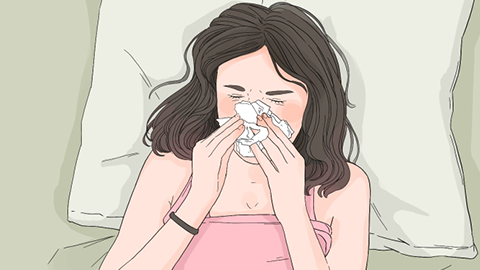
Cold-induced common colds are typically “wind-cold” type colds, characterized by prominent symptoms including aversion to cold, chills, and sensitivity to cold. Fever may not be severe, but patients often experience a strong desire to drink warm water and generally do not suffer from dry mouth or thirst.
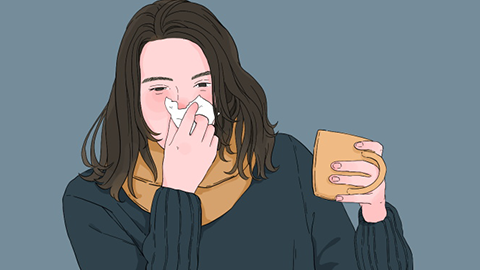
Patients should follow a light, nutritious diet, avoiding spicy and irritating foods. They should also avoid excessive physical exertion and sleep deprivation to facilitate recovery. Common cold is an upper respiratory tract infection, classified clinically into ordinary colds and influenza; clinical manifestations vary depending on etiology and disease subtype. We hope this information proves helpful.


