


Diet for Duodenal and Gastric Ulcers

Duodenal and gastric ulcers are very common conditions, often resulting from excessive work- and life-related stress, which leads many individuals to develop irregular eating habits—ultimately causing damage to the stomach.
Dietary Recommendations for Duodenal and Gastric Ulcers
For patients with duodenal or gastric ulcers, the most critical dietary consideration is avoiding foods and beverages that stimulate gastric acid secretion. These include sweets, high-sugar foods, alcohol, sweet potatoes, strong tea, coffee, and pungent seasonings such as mustard and chili peppers. Excessive gastric acid secretion may exacerbate symptoms and worsen the condition of peptic ulcers. Secondly, avoid excessively salty, cold, or hard foods, as these can also promote gastric acid secretion. Instead, opt for low-fiber vegetables and fruits—such as tomatoes, tender eggplants, young leafy greens, and winter melon—that are easily digested and minimize mechanical irritation to the ulcer surface.
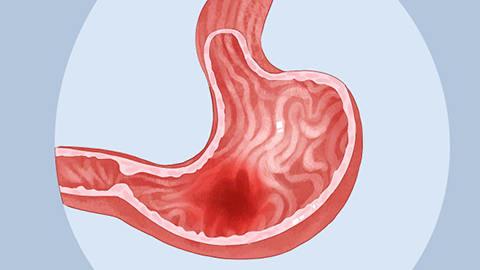
The etiology of duodenal ulcers is complex but generally involves excessive gastric acid and pepsin production, coupled with impaired mucosal barrier function in the stomach and duodenum. Additionally, frequent consumption of irritating foods, smoking, and alcohol intake may contribute to ulcer development. Long-term use of nonsteroidal anti-inflammatory drugs (NSAIDs) can damage both gastric and duodenal mucosa, leading to gastric and duodenal ulcers.

During treatment for duodenal and gastric ulcers, patients should consume bland, easily digestible foods. We hope this information proves helpful!


