


What Causes Pain in the Lower Right Abdomen in Women?

In daily life, many women experience abdominal pain, which can significantly affect their quality of life and work performance. However, many are unaware of the underlying causes. So, what could be causing right lower abdominal pain in women?
What Causes Right Lower Abdominal Pain in Women?
Right lower abdominal pain in women is commonly attributable to the following conditions:
1. Right adnexitis (inflammation of the right adnexa): Patients often present with localized pain accompanied by fever. This condition may be triggered by upper respiratory infections or fatigue and tends to recur. Proper rest and preventive care are recommended; anti-inflammatory treatment may be necessary when indicated. Right ovarian cyst torsion is another possibility—this may also manifest with signs of shock.
2. Hematuria (blood in urine) accompanying the pain suggests possible ureteral or urinary tract stones. Symptoms may include pronounced nausea and vomiting, gross hematuria visible to the naked eye, and findings detectable on abdominal ultrasound.
3. Acute appendicitis: A classic presentation includes right lower abdominal pain associated with nausea and vomiting—symptoms often worsen after overeating or consuming heavy meals.
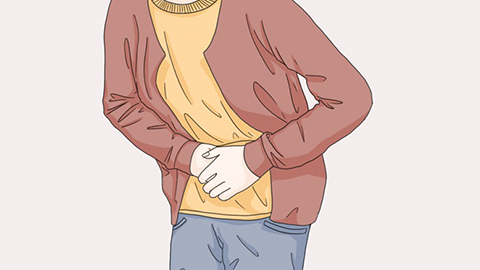
Right lower abdominal pain in women is frequently attributed to pelvic fluid accumulation (pelvic effusion). Typical features of pelvic effusion include yellowish, foul-smelling vaginal discharge; low back and sacral pain; a sensation of bloating or distension in the lower abdomen; tenderness upon palpation of the adnexal regions; and rebound tenderness. During acute episodes, patients may also experience urinary frequency, urgency, dysuria, chills, and high fever. Treatment options include moxibustion therapy. Additionally, oral administration of Jinguangteng Capsules and levofloxacin may be considered—but these should only be used under the guidance of a physician.

Adopting healthy lifestyle habits is essential: ensure adequate sleep, avoid spicy or irritating foods, and drink plenty of water. If symptoms become severe, prompt medical evaluation is strongly advised. We hope this information has been helpful. Wishing you good health and a joyful life!


