


Can cholecystitis cause diarrhea?
Jun 02, 2022
Source: Cainiu Health

Dr. Zhao Haiming
Introduction
Cholecystitis rarely causes diarrhea, unless it is extremely severe and complications arise. In severe chronic cholecystitis, the gallbladder may lose its normal function—particularly in cases of complete gallstone obstruction—potentially leading to diarrhea. Marked thickening of the gallbladder wall often results in recurrent right upper quadrant abdominal pain. In such cases, it is especially important to consider the possibility that diarrhea may be associated with cholecystitis.
Cholecystitis is a highly prevalent condition; therefore, it warrants sufficient attention from everyone. Moreover, cholecystitis can trigger numerous other diseases. So, does cholecystitis cause diarrhea?
Does cholecystitis cause diarrhea?
Diarrhea is uncommon in cholecystitis unless the condition is extremely severe—then diarrhea may occur as a complication. In severe chronic cholecystitis, the gallbladder may lose its normal function, potentially leading to diarrhea—especially in cases of complete gallstone obstruction. Marked thickening of the gallbladder wall often results in recurrent right upper quadrant abdominal pain. In such cases, one should consider the possibility that diarrhea may be related to cholecystitis.

If acute cholecystitis becomes severe, complications may arise—including gangrenous cholecystitis and gallbladder perforation—which can have life-threatening consequences. Thus, patients experiencing an acute cholecystitis episode are strongly advised to seek prompt medical evaluation rather than attempting to endure symptoms at home or self-administering unguided treatments.
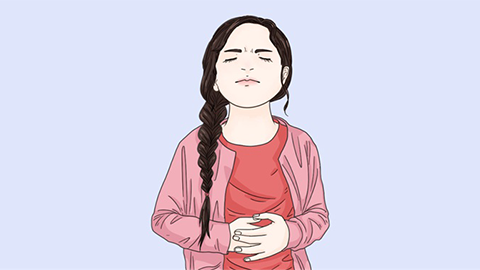
After consuming large amounts of fatty foods, patients with cholecystitis may experience gallbladder contraction, causing bile to enter the intestines and resulting in indigestion. Additionally, gallbladder contraction may provoke biliary colic, thereby worsening the condition. Therefore, daily dietary habits should be regular and light—opting for small, frequent meals low in oil, fat, and cholesterol. Moderate physical activity is also recommended in daily life to prevent excessive weight gain. We hope this information proves helpful to you.


