


What should I do if my baby develops red bumps on their face?
Jun 02, 2022
Source: Cainiu Health

Dr. Liu Wan
Introduction
Red bumps on an infant’s face are clinically common and are often due to infantile eczema or infantile atopic dermatitis, with lesions predominantly affecting the face. Characteristic skin manifestations include densely distributed papules, vesicles, and exudative crusts appearing atop erythematous (red) patches, accompanied by intense pruritus (itching). In the dry-type variant of eczema, papules arise on an erythematous background, the lesions are dry with no obvious exudation, and persistent scratching—driven by pruritus—may lead to secondary infection.
In daily life, it is relatively common for babies to develop red bumps on their faces—especially concerning for first-time mothers, who often feel anxious. So, what should you do if your baby develops red bumps on the face?
What to Do When Your Baby Develops Red Bumps on the Face
Clinically, red bumps on an infant’s face are most commonly associated with infantile eczema (also known as atopic dermatitis), which frequently affects the facial skin. Characteristic skin lesions include dense papules, vesicles, and exudative crusting over an erythematous (red) base. Intense pruritus (itching) is typical. In dry-type eczema, papules appear on an erythematous background, the skin lesions are dry, and there is no obvious exudation; however, scratching due to itchiness may lead to secondary infection.

This condition is often triggered by allergies—for example, dairy allergy. Some infants develop symptoms during breastfeeding, with improvement after weaning. Food allergies are common, and allergy testing typically reveals sensitivities to eggs, peanuts, cow’s milk, wheat, fish, soy, and chicken. Therefore, breastfeeding mothers should avoid consuming these allergenic foods. Other exacerbating factors include respiratory infections, vaccinations, viral infections, climate changes, and emotional stress. Affected infants often experience diarrhea and indigestion as well.
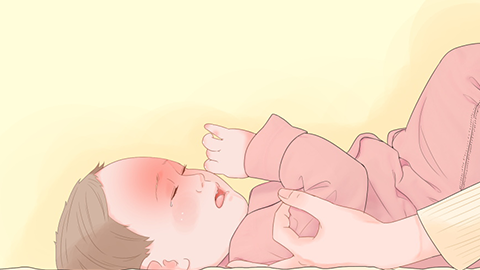
Wearing tight-fitting wool, synthetic, or silk clothing, as well as excessive bathing, can worsen the condition. Thus, avoid frequent face-washing with hot water, soap, or facial cleansers. Instead, gently wash the face with lukewarm or cool water and apply a moisturizing emollient regularly. We hope this information helps!


