


Can a person with rheumatoid arthritis become pregnant?
Jun 05, 2022
Source: Cainiu Health

Dr. Liu Aihua
Introduction
Rheumatism does not affect pregnancy. Rheumatism is an infectious disease associated with infection by hemolytic streptococcus. Clinically, it primarily affects the larger joints of the limbs, causing joint lesions. Its characteristic features include joint redness, swelling, and pain—sometimes even leading to impaired limb mobility. Low ambient temperature, rapid temperature changes, excessive intake of cold foods, and compromised immune function are all triggering factors for rheumatoid arthritis.
Rheumatic disease is a relatively common condition in daily life. Some women, upon being diagnosed, worry that it may affect pregnancy. So, can women with rheumatic disease become pregnant?
Can women with rheumatic disease become pregnant?
Rheumatic disease does not impair fertility or pregnancy. It is an infectious disease associated with Group A beta-hemolytic streptococcal infection. Clinically, it primarily affects large joints of the limbs, causing joint inflammation. Its hallmark symptoms include joint redness, swelling, and pain—sometimes even leading to impaired limb mobility. Contributing factors for rheumatoid arthritis (note: the original text incorrectly conflates “rheumatic disease” with “rheumatoid arthritis”; clarification added here for medical accuracy) include cold ambient temperatures, rapid temperature fluctuations, excessive consumption of cold foods, and compromised immune function. Appropriate preventive measures can help reduce disease recurrence. In the absence of active pharmacological treatment, rheumatoid arthritis does not interfere with pregnancy, and affected women can conceive and carry pregnancies normally.
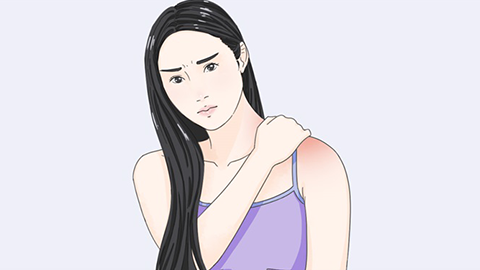
Patients with rheumatic disease should also pay close attention to dietary habits. For instance, they should avoid spicy and irritating foods to prevent exacerbation of symptoms. Leftover food, cold or hard foods, various chilled items, and seafood should be avoided to minimize gastrointestinal adverse reactions or allergic responses—such as abdominal pain and diarrhea—which hinder recovery. Food and drinking water must be clean and hygienic. Smoking and alcohol consumption are strictly discouraged. Additionally, meals should be light and balanced, emphasizing low-salt, low-fat, and low-sugar intake. Nutritional supplementation should be appropriate and well-rounded: combine lean meats and vegetables to ensure balanced nutrition, and adopt scientifically sound eating habits—not restrictive or extreme dieting. This approach helps strengthen the body and enhance resistance to disease; consuming vitamin-rich foods regularly is especially beneficial.
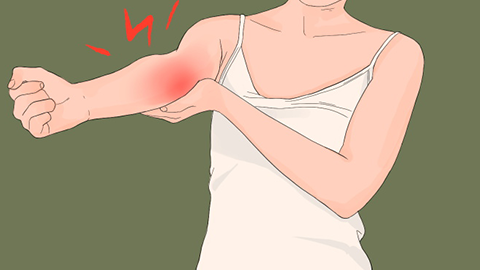
Women diagnosed with rheumatic disease need not be overly concerned—this condition does not affect their ability to conceive or carry a pregnancy. We hope this information is helpful to you.


