


Do infants with pneumonia develop a fever?
Jun 05, 2022
Source: Cainiu Health

Dr. Ma Yan
Introduction
Infants with pneumonia do not necessarily have a fever. Auscultation—specifically, the presence of fixed, medium-pitched moist rales in the lungs—is the primary diagnostic criterion for infantile pneumonia. Of course, symptoms such as fever, cough, and wheezing do not always occur simultaneously; they may appear individually or in combination. Fever suggests a more severe infection; however, it is impossible to determine whether an infant has pneumonia solely based on the presence or absence of fever.
Infants have extremely fragile constitutions, and when an infant develops pneumonia, parents must provide enhanced care and protection. So, does infant pneumonia cause fever?
Does infant pneumonia cause fever?
Infant pneumonia does not always present with fever. The primary diagnostic criterion upon auscultation is the presence of fixed, medium-pitched moist rales in the lungs. While fever, cough, and wheezing are common symptoms of infant pneumonia, they do not necessarily occur simultaneously—any one or combination of these symptoms may be present. Fever indicates a more severe infection; however, it is impossible to diagnose pneumonia solely based on whether the infant has a fever. A definitive diagnosis of pneumonia can be made if fixed, medium-pitched moist rales are detected during auscultation, or if chest radiography reveals characteristic findings such as hazy opacities, patchy infiltrates, or consolidation. Generally, the younger the child, the less pronounced the clinical symptoms. For example, newborns with pneumonia may not exhibit fever at all—their body temperature may remain normal or even drop slightly. Such atypical presentations must still be considered indicative of pneumonia.
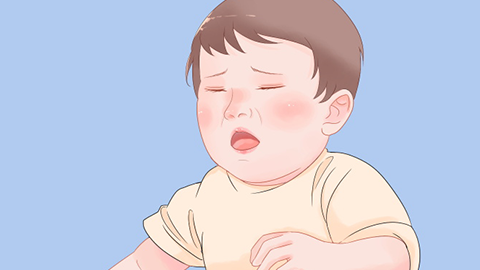
During infant pneumonia, nutritional support should be strengthened. Provide high-protein, vitamin-rich foods such as infant formula, beef, and eggs. In cases of severe pneumonia, it is advisable to feed smaller amounts more frequently, as feeding requires increased oxygen consumption in infants. Smaller, more frequent feedings reduce oxygen demand, thereby promoting recovery and preventing worsening of pneumonia. Additionally, caregivers must take precautions to prevent choking during feeding, as aspiration can exacerbate pneumonia. In severe cases where oral intake is impossible, intravenous nutritional support is recommended.
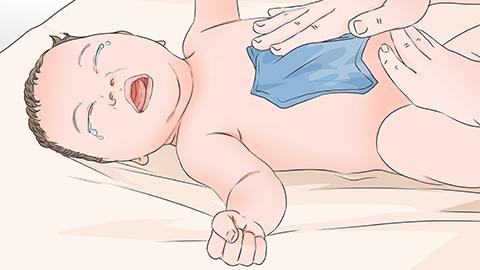
When an infant exhibits signs or symptoms suggestive of pneumonia, prompt medical evaluation and treatment are essential. We hope this information proves helpful.



