


How can fatty liver be managed through dietary therapy?

With the improvement of living standards, many people are now developing fatty liver disease. So, how can dietary therapy help manage fatty liver?
How to Apply Dietary Therapy for Fatty Liver
Patients with fatty liver should avoid fatty meats and animal offal, and limit consumption of seafood—especially shellfish such as oysters. Fish and shrimp, rich in unsaturated fatty acids, are acceptable; lean meat may be consumed more frequently. Patients should eat plenty of vegetables and fruits, which contain abundant vitamins B and C—nutrients with antioxidant properties. Since oxidative stress and lipid peroxidation are primary contributors to fatty liver development, incorporating antioxidant-rich foods into the diet is especially beneficial for alleviating the condition. Green tea and Pu’er tea—both known for their lipid-lowering and weight-reducing effects—are recommended beverages. Additionally, therapeutic herbal teas made from hawthorn, lotus leaf, or corn silk may also support lipid reduction and weight management. Porridge prepared from red beans, mung beans, coix seed (Job’s tears), and winter melon likewise offers fat-reducing benefits.
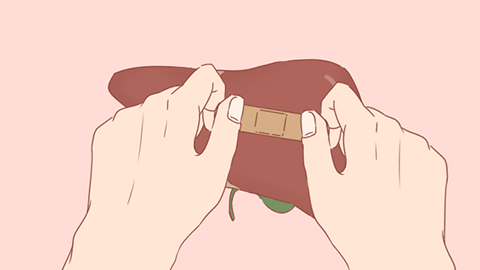
In daily life, patients with fatty liver must carefully regulate their diet—particularly by controlling caloric and sugar intake. Fatty liver is commonly caused by overnutrition, obesity, and excessive consumption of high-calorie foods, leading to impaired hepatic fat metabolism and subsequent accumulation of excess fat in the liver. Therefore, maintaining a healthy, balanced diet is essential.

Furthermore, patients should engage regularly in physical exercise. Appropriate physical activity helps enhance both resistance and immune function. We hope this information proves helpful to you.


