


Is cirrhosis reversible?

Due to excessive work pressure and irregular lifestyle habits, many modern individuals experience health issues. The liver serves as the body’s primary detoxification organ; thus, any impairment in liver function can directly threaten life. Among liver diseases, cirrhosis is particularly common. To confront this condition effectively, it is essential to understand it—so, is cirrhosis reversible?
Is Cirrhosis Reversible?
In patients with early-stage cirrhosis—such as that caused by chronic hepatitis B virus (HBV) infection—reversal is often possible. Early initiation of antiviral therapy to suppress HBV replication can lead to partial or complete reversal of early cirrhosis. Interferon or nucleos(t)ide analogues may be used for antiviral treatment. Concurrently, antifibrotic agents and hepatoprotective drugs may also be administered. Similarly, in cases of alcoholic cirrhosis, abstinence from alcohol at an early stage can help repair hepatocellular damage and potentially reverse cirrhosis.
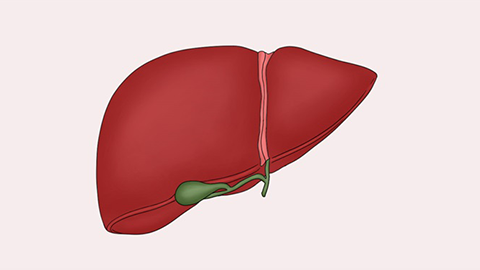
Cirrhosis refers to a progressive, end-stage condition resulting from persistent liver injury due to various causes, ultimately leading to liver failure. It develops gradually over time. In its early stages, cirrhosis is often asymptomatic. As the disease advances, it enters the decompensated phase, during which patients commonly experience fatigue, generalized weakness, lower-limb edema, jaundice (yellowing of the skin and sclera), mucocutaneous bleeding, abdominal distension, ascites, spider angiomas, and palmar erythema. Once cirrhosis has developed, prompt identification of the underlying cause and targeted treatment are crucial to optimize outcomes.

Patients are advised to maintain a healthy diet and avoid fatty foods and alcohol consumption. We hope this information proves helpful.


