


Is bilateral pneumonia serious?
Jun 05, 2022
Source: Cainiu Health

Dr. Guo Xiheng
Introduction
Bilateral pneumonia is extremely severe. Once bilateral pneumonia occurs, it typically indicates a more serious pulmonary infection and more severe clinical symptoms in the patient. Consequently, patients may experience dyspnea—or even respiratory distress—particularly in elderly individuals with pneumonia. Moreover, the severity of bilateral pneumonia increases the risk of complications and sequelae, thereby exacerbating the disease.
Many patients are diagnosed with bilateral pneumonia, which significantly impacts the health of numerous individuals. Upon hearing the diagnosis of “bilateral bronchopneumonia,” many assume the condition is more severe. So, just how serious is bilateral pneumonia?
How serious is bilateral pneumonia?
Bilateral pneumonia is indeed very serious. Its occurrence typically indicates a more extensive and severe pulmonary infection, accompanied by more pronounced clinical symptoms in the patient. Consequently, patients may experience dyspnea—or even respiratory distress—particularly among elderly individuals with pneumonia. Moreover, the severity of bilateral pneumonia lies in its heightened propensity to cause complications and sequelae, thereby worsening the disease course. In some cases, severe pneumonia arises from bilateral pneumonia, leading secondarily to organ dysfunction or failure. This is especially critical when respiratory failure develops, rendering the condition life-threatening. Additionally, bilateral pneumonia is challenging to treat and often entails a prolonged disease course. Without timely and effective treatment, complications such as sepsis, septic shock, and functional impairment or failure of vital organs—including the heart, liver, and kidneys—may ensue, further escalating the medical emergency. Therefore, prompt antimicrobial therapy and symptomatic management are essential upon diagnosis of bilateral pneumonia to mitigate disease severity.
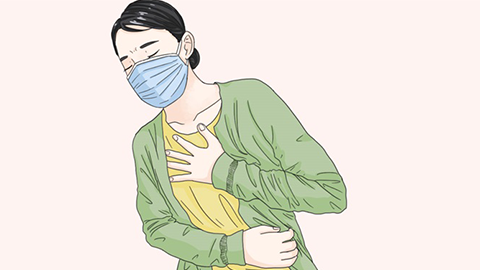
Following pneumonia onset, patients commonly develop fever and chills. During this period, the body’s energy expenditure increases markedly. It is advisable to avoid raw, cold foods—such as watermelon, crab, cold beverages, and ice cream—as these may impair the yang qi of the spleen and stomach, compromising gastrointestinal digestion and absorption, thereby hindering recovery. Furthermore, patients should minimize or avoid consumption of greasy, heat-inducing foods—including fish, shrimp, crab, fatty meats, lamb, dog meat, and rooster—as these may exacerbate internal heat and phlegm production, intensifying pneumonia-related symptoms such as fever, cough, and expectoration.

Once bilateral pneumonia develops, prompt medical intervention and rapid recovery are imperative to prevent substantial systemic harm. Patients should seek timely treatment at a reputable hospital to avert disease progression and deterioration. We hope this information proves helpful to you.


