


Can mild pneumonia resolve on its own?
Jun 06, 2022
Source: Cainiu Health

Dr. Guo Xiheng
Introduction
Whether mild pneumonia can resolve spontaneously depends on the causative pathogen. If the pneumonia is caused by common viruses, Mycoplasma, or Chlamydia, symptoms are relatively mild and no complications are present; in such cases, spontaneous recovery typically occurs within two weeks without specific treatment. However, if mild pneumonia is caused by pathogens such as Staphylococcus aureus, Pseudomonas aeruginosa, or influenza virus, spontaneous resolution is less likely.
Many factors can cause pneumonia, and its severity varies widely. Some individuals experience only mild illness, which has relatively little impact on their overall health. However, others develop severe pneumonia, significantly disrupting normal daily life and work. Some people believe that mild pneumonia can resolve spontaneously without treatment. So, can mild pneumonia heal on its own?
Can Mild Pneumonia Resolve Spontaneously?
Whether mild pneumonia can resolve spontaneously depends on the causative pathogen. If the infection is caused by common viruses, Mycoplasma, or Chlamydia, symptoms are typically mild and uncomplicated, and full recovery may occur within two weeks without specific treatment. In contrast, if mild pneumonia results from pathogens such as *Staphylococcus aureus*, *Pseudomonas aeruginosa*, or influenza virus, spontaneous resolution is unlikely; timely and effective medical intervention is essential to prevent disease progression. Symptomatic treatment for mild pneumonia is also crucial—for example, cough and sputum production should be managed with antitussive and expectorant medications. For mild cough and sputum, simple supportive measures—such as increased fluid intake and gentle back percussion—may suffice.
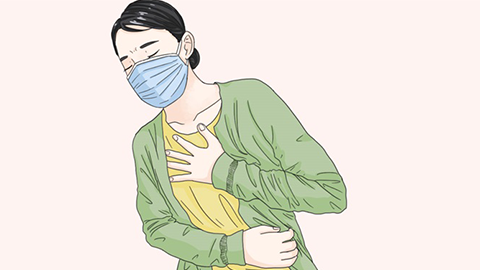
Mild pneumonia arises when viruses, bacteria, fungi, or other microorganisms enter the lungs via the respiratory tract, causing infection. In most cases, transmission is linked to close contact with infected individuals—for instance, through respiratory droplets. Individuals with weakened immunity—such as the elderly, infants, and young children—are at higher risk of infection. Environmental factors may also contribute; for example, exposure to damp environments may predispose individuals to fungal infections.

Patients are advised to seek a definitive diagnosis and undergo treatment under the guidance of a qualified physician. We hope this information is helpful to you.


