


What Causes Mycoplasma Pneumonia?

After contracting mycoplasma pneumonia, individuals often experience significant discomfort. Among all populations, young adults, infants, and those with weakened immunity are particularly susceptible to this condition. So, what causes mycoplasma pneumonia?
What Causes Mycoplasma Pneumonia?
Mycoplasma pneumonia is caused by infection with *Mycoplasma pneumoniae*, a common respiratory pathogen and one of the leading causes of community-acquired pneumonia. The primary causative organism resides in the respiratory secretions of infected individuals and spreads via aerosolized particles and respiratory droplets to close contacts. Therefore, when individuals with respiratory infections cough or sneeze, they should promptly cover their mouth and nose with a tissue to prevent transmission to others. Spitting indiscriminately should also be avoided to minimize cross-infection. Healthy individuals should avoid crowded places with poor air circulation. Wearing masks promptly helps protect the respiratory mucosa from pathogen invasion. Additionally, good hand hygiene practices should be adopted—washing hands thoroughly with running water before and after meals, and upon returning home from outside.
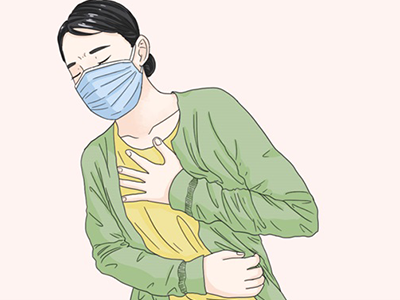
The main reason patients develop mycoplasma pneumonia is diminished immune function and general physical weakness. Once infected with *Mycoplasma pneumoniae*, the pathogen colonizes and proliferates within lung tissue, leading to mycoplasma pneumonia. Common symptoms include cough—predominantly dry cough in most patients, though some may produce sputum. Low-grade fever is typical early in the illness; however, high fever and chills may also occur. In more severe cases, patients may experience chest tightness, shortness of breath, wheezing, a sensation of suffocation, or even respiratory distress.

Patients diagnosed with this condition are advised to seek prompt medical attention at a hospital. Since mycoplasma pneumonia spreads via respiratory droplets, close contacts should adopt protective measures—including mask-wearing and carrying disinfectants—and, where appropriate, undergo isolation. We hope this information proves helpful to you.


