


How is bipolar disorder treated?

In daily life, high levels of stress from work and personal responsibilities can lead to mental health disorders. How is bipolar disorder treated?
How Is Bipolar Disorder Treated?
Treatment for bipolar disorder typically involves antipsychotic medications such as olanzapine, quetiapine, and haloperidol. Clinical experience shows that psychiatric symptoms improve with antipsychotic therapy, and depressive symptoms often resolve concurrently. For patients with schizoaffective disorder (manic type), mood stabilizers—such as lithium or sodium valproate—may be used alone or in combination.
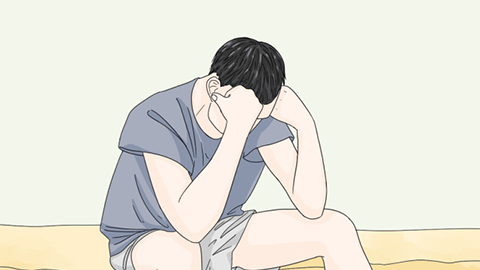
Patients experiencing manic or depressive episodes are commonly treated with both mood stabilizers and antipsychotics. The specific treatment approach for bipolar disorder depends on multiple factors, including the patient’s symptom profile, disease severity, prior medication history, psychological characteristics, and environmental influences. In cases of severe depression, adjunctive antidepressants may be considered. Preferred agents include bupropion—which carries no risk of inducing mania—or antidepressants with relatively low manic-induction potential, such as fluoxetine or paroxetine. Close clinical monitoring is essential; if a manic episode emerges, antidepressant therapy must be discontinued immediately to prevent worsening of manic symptoms.

For patients with severe symptoms, clinicians may provide a quiet, low-stimulation environment and administer medications via injection. We hope this information is helpful to you!


