


How soon can an HIV rapid test detect infection?

AIDS is a disease that instills fear upon mention. Currently, there is no cure for AIDS; however, individuals can use HIV rapid test kits to determine whether they are infected. So, how soon after potential exposure can an HIV rapid test kit detect infection?
How Soon Can an HIV Rapid Test Kit Detect Infection?
The “window period”—the time between high-risk exposure and when an HIV test can reliably detect infection—is approximately 3–12 weeks. Detection rates increase significantly after 6–12 weeks. Generally speaking, HIV rapid test kits available for purchase at licensed pharmacies or reputable online retailers have been certified by China’s National Medical Products Administration (NMPA). These products are safe, highly accurate, and feature anti-counterfeiting markings. Their accuracy typically ranges from 95% to 97%. When multiple tests are performed simultaneously using different kits, accuracy may reach up to 99%.
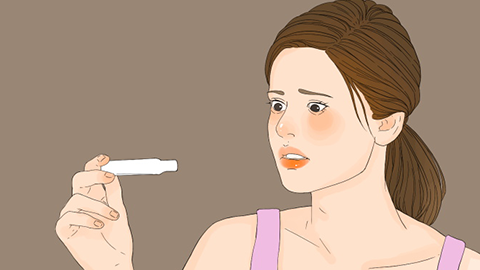
AIDS is a chronic, life-threatening infectious disease caused by the human immunodeficiency virus (HIV). It spreads primarily through blood contact, sexual intercourse, and mother-to-child transmission—with sexual transmission being the most common route. HIV specifically targets and destroys CD4+ T lymphocytes (helper T cells), while also impairing various other immune cells. Ultimately, this leads to severe opportunistic infections and malignant tumors.
In daily life, one should avoid frequent unprotected sexual activity and consistently practice protective measures to prevent HIV infection. We hope this information proves helpful to you!


