


Does a body temperature of 37°C constitute a fever in adults?

Many adults discover during routine temperature checks that their body temperature is 37°C, yet remain uncertain about the threshold for fever. So, does a body temperature of 37°C constitute a fever in adults?
Does a body temperature of 37°C indicate fever in adults?
A body temperature of 37°C in adults is not considered a fever—it is entirely normal. When measuring temperature at common sites, fever is generally defined as follows: underarm (axillary) temperature exceeding 37.3°C; rectal temperature exceeding 37.7°C. Thus, 37°C falls well within the normal range—specifically, the typical axillary temperature range is 36–37°C, and 37°C is fully consistent with this norm.
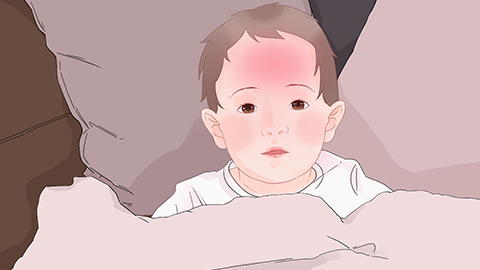
Body temperature naturally fluctuates throughout the day due to variations in metabolic activity. Therefore, an adult’s temperature of 37°C is perfectly normal and does not indicate fever or any associated symptoms. If you perceive your temperature as elevated, it may be attributable to consuming spicy or heat-inducing foods. Mild heat exhaustion can also cause facial flushing and increased cheek temperature. Avoid using antipyretic medications unnecessarily. Instead, apply cool, damp towels to the forehead, gently wipe the body with alcohol-soaked gauze (if appropriate), and drink ample fluids to maintain adequate hydration.

When fever occurs, actively investigate its underlying cause and pursue targeted treatment. Additionally, if symptoms develop, promptly seek medical evaluation at a healthcare facility and follow your physician’s guidance for appropriate management. We hope this information has been helpful!


