Can patients with cirrhosis eat chicken?
Jun 07, 2022
Source: Cainiu Health

Dr. Liu Zhengxin
Introduction
Patients with cirrhosis can generally consume chicken. Chicken is one of the most common foods in daily life and contains relatively low fat while providing high-quality protein for the body. However, if a patient develops hepatic encephalopathy, protein intake should be temporarily discontinued, or only small amounts of plant-based protein may be consumed; under such circumstances, chicken is not recommended.
Chicken is a popular food widely enjoyed in daily life. It provides the body with abundant protein as well as essential vitamins. But can patients with liver cirrhosis eat chicken?
Can patients with liver cirrhosis eat chicken?
In general, patients with liver cirrhosis may consume chicken. As one of the most common foods in daily life, chicken is relatively low in fat and supplies high-quality protein to the body. However, if a patient develops hepatic encephalopathy, protein intake should be temporarily discontinued—or only small amounts of plant-based protein may be consumed—making chicken unsuitable at that time. For patients without hepatic encephalopathy, the recommended daily protein intake is 0.8–1.0 g per kilogram of body weight, which can be adequately met using chicken as a protein source.

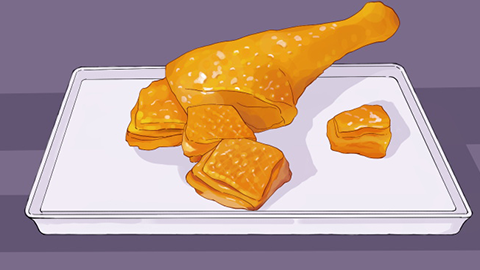
When consuming chicken, patients with liver cirrhosis should pay attention to cooking methods: the skin must be removed, as it contains relatively high levels of fat. Preferred cooking methods include steaming, stewing, and stir-frying; deep-frying or barbecuing should be avoided, as these methods produce overly greasy or spicy dishes that may irritate the liver and exacerbate symptoms. Chicken is rich in high-quality protein, various amino acids, vitamins, and minerals; moderate consumption can help replenish nutrients and support disease recovery. Patients should chew chicken thoroughly and swallow slowly to minimize the risk of accidentally swallowing chicken bones—which, due to their hardness, could lacerate the esophagus or stomach and cause gastrointestinal bleeding.
Individuals with chronic illnesses should maintain disciplined lifestyle and dietary habits. We hope this information proves helpful to you.