Can abdominal pain occur during a normal pregnancy?
Jun 07, 2022
Source: Cainiu Health

Dr. Chen Zhe
Introduction
In general, pregnancy does not cause abdominal pain; a key indicator of menopause is the cessation of menstruation. During early pregnancy, symptoms such as fatigue, mild fever, nausea, and vomiting—common early-pregnancy reactions—may occur. However, if pregnancy has been confirmed and abdominal pain or vaginal bleeding develops, one should be vigilant for signs of threatened miscarriage. Prompt medical evaluation at a hospital is essential, including a gynecological ultrasound to assess the intrauterine location and condition of the gestational sac, as well as to check for any fluid-filled dark areas surrounding it.
Many women wish to conceive a healthy baby after marriage, yet some experience abdominal pain during pregnancy. So, is abdominal pain normal in a healthy pregnancy?
Is abdominal pain normal during pregnancy?
Generally, abdominal pain is not a typical symptom of normal pregnancy—the hallmark sign of menopause is unrelated here (likely an error in the original text; corrected to reflect pregnancy context). In early pregnancy, common symptoms may include fatigue, mild elevation in body temperature, nausea, and vomiting—collectively known as early pregnancy reactions. However, if abdominal pain or vaginal bleeding occurs following confirmation of pregnancy, this may indicate threatened miscarriage. Immediate medical evaluation is essential: a gynecological ultrasound should be performed to assess the gestational sac’s location within the uterine cavity and to check for fluid-filled dark areas (e.g., subchorionic hematoma) surrounding the sac. Bed rest may be advised, and progesterone supplementation may be administered to support the pregnancy, with ongoing dynamic monitoring.
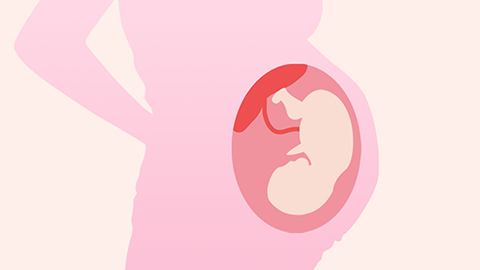
Some pregnant women do experience abdominal pain, which may be caused by fetal movement—particularly around week 30. As the fetus grows larger, it occupies progressively more space within the uterus. Vigorous kicking—especially when the fetal head presses against the mother’s pelvic bones—can cause noticeable or even sharp pain.
During pregnancy, sexual intercourse should be avoided under certain circumstances (e.g., risk of preterm labor, placenta previa, or unexplained bleeding). Regular prenatal check-ups are essential. Nutritional supplementation—including vitamins and trace elements—should be tailored to the individual’s specific health needs. This approach supports optimal fetal development while also promoting maternal well-being. Maintaining stability throughout pregnancy and minimizing physical strain is critically important. We hope this information is helpful to you!