


Causes of Right Upper Quadrant Abdominal Pain During Running

Today, many people are health-conscious and enjoy activities such as dancing or running during their free time. However, some individuals experience right upper quadrant (RUQ) abdominal pain after running. So, what causes RUQ pain during running?
Causes of Right Upper Quadrant Abdominal Pain During Running
RuQ abdominal pain following running may result from exercising too soon after eating—particularly after a large meal—or engaging in vigorous activity immediately after eating. RUQ pain may also indicate underlying gallstones; during running, physical movement can cause gallstones to shift within the gallbladder. If a stone obstructs the cystic duct (the neck of the gallbladder), bile outflow becomes impaired, leading to biliary colic or gallbladder pain. Additionally, the right upper abdomen corresponds anatomically to the hepatic flexure of the colon; thus, exercise-induced colonic spasm is another possible cause. Exercise-related abdominal pain may also stem from cardiac conditions—for instance, angina pectoris can sometimes refer pain to the RUQ. If shortness of breath and RUQ pain occur together during or after exertion, cardiac disease must be considered and promptly ruled out by medical evaluation.

Performing appropriate warm-up exercises before long-distance running can effectively prevent exercise-induced abdominal pain. This type of pain—commonly referred to as a “side stitch”—typically arises from intense physical activity. The diaphragm, a crucial respiratory muscle, contracts rhythmically to facilitate breathing. During vigorous exercise, rapid and forceful diaphragmatic contractions cause the diaphragm to descend. Concurrently, visceral movement in the abdomen remains relatively limited, disrupting respiratory coordination and potentially triggering diaphragmatic spasm—manifesting as RUQ pain.
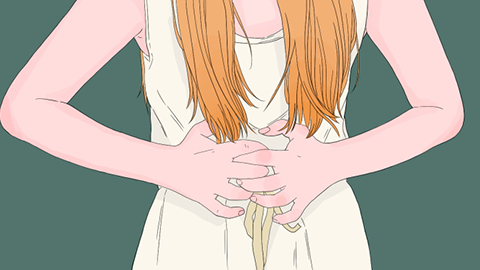
In most cases, RUQ pain after running resolves spontaneously with brief rest. However, if symptoms are severe, persistent, or recurrent, prompt medical evaluation and treatment are essential. We hope this information is helpful to you.


