Recurrent Aphthous Ulcers
Jun 07, 2022
Source: Cainiu Health

Dr. Zhang Lei
Introduction
Recurrent aphthous ulcers, also known as recurrent aphthous stomatitis or recurrent oral ulcers, are the most prevalent condition among oral mucosal diseases. This disorder may occasionally be triggered by common colds, indigestion, mental stress, or depression. It commonly occurs on the lips, buccal mucosa, and lateral borders of the tongue. Although it can affect any site of the oral mucosa, it is rarely seen in the fully keratinized attached gingiva and hard palate.
In daily life, many people suffer from oral ulcers. In severe cases, these ulcers recur repeatedly and persistently—this condition is known as recurrent oral ulceration. So, what exactly is recurrent oral ulceration?
Recurrent Oral Ulceration
Recurrent oral ulceration—also termed recurrent aphthous stomatitis or recurrent aphthous ulcers—is the most prevalent disease among oral mucosal disorders. It may occasionally be triggered by common colds, indigestion, mental stress, or depression. Lesions commonly occur on the lips, buccal mucosa, and lateral borders of the tongue. Although they can develop at any site on the oral mucosa, they rarely affect the fully keratinized attached gingiva and hard palate. The condition typically manifests between ages 10 and 30, with a higher incidence in females, and can occur at any time of year. Recurrent aphthous ulcers are self-limiting and usually resolve spontaneously within approximately 10 days. This disorder is characterized by its cyclical recurrence, repetitive nature, and self-limiting course.
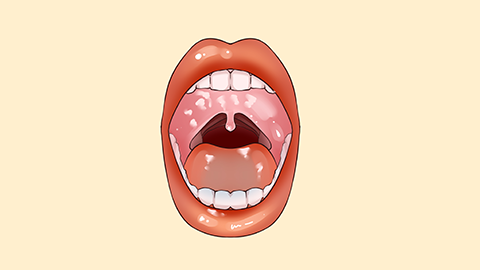
Modern oral medicine attributes recurrent oral ulceration primarily to psychological factors, closely linking it to the body’s immune status. Individuals with compromised immunity or poor general health are more susceptible to developing oral ulcers. Patients with underlying systemic diseases, chronic sleep deprivation, or prolonged fatigue are particularly prone to recurrent oral ulceration.
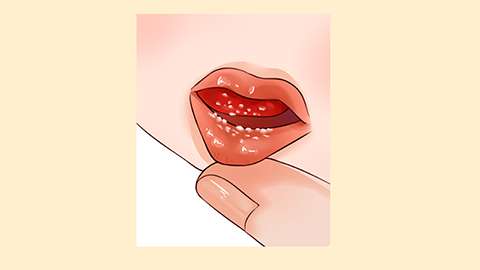
Treatment for recurrent oral ulceration generally follows an integrated approach combining systemic and local therapies. Systemic management emphasizes adequate rest, sufficient sleep, stress reduction, and maintaining a positive outlook each day. We hope this information proves helpful to you!