


Does gastroenteritis require surgery?

Most patients with gastroenteritis experience a range of symptoms, including diarrhea, abdominal pain, vomiting, fever, loss of appetite, profuse sweating, muscle aches, or joint stiffness. In individuals with compromised physical health or in cases of severe gastroenteritis, the condition may become life-threatening. Therefore, prompt medical treatment is essential upon onset of these symptoms. So, does gastroenteritis require surgery?
Does gastroenteritis require surgery?
In the vast majority of cases, gastroenteritis does not require surgical intervention. However, certain specific types of colitis—such as ulcerative colitis—may necessitate surgery under particular circumstances. Surgical treatment becomes urgently indicated when complications arise, including complete intestinal obstruction, abscess formation, acute perforation, or uncontrollable massive gastrointestinal bleeding. Ulcerative colitis typically presents with abdominal pain, diarrhea, mucopurulent stools, and bloody stools. During an acute flare, toxic megacolon may develop, manifesting as high fever and marked abdominal distension; abdominal CT imaging reveals significant colonic dilation. In such cases, medical therapy is often ineffective, and timely surgical intervention is required.
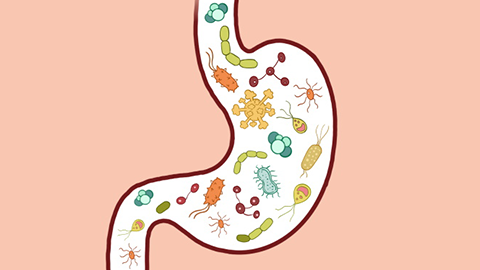
Following surgery for gastroenteritis-related conditions, normal gastrointestinal physiological function has not yet fully recovered. During this period, patients should initially consume only liquid or semi-liquid foods—such as millet congee or well-cooked soft noodles—to minimize digestive burden and allow adequate rest for the gastrointestinal tract. After two days postoperatively, patients may gradually introduce easily digestible foods, including staple wheat-based items like steamed buns, noodles, and flatbreads. Small amounts of lean protein sources—such as shrimp, fish, and chicken—may also be added to support nutritional recovery. If gastrointestinal function progressively improves over the first week post-surgery, patients may resume a regular diet.

The impact of gastroenteritis varies among individuals depending on their constitutional health status. Regardless of symptom severity, active treatment remains essential to prevent disease progression. We hope this information proves helpful to you.


