


What Are the Symptoms of Chronic Gastroenteritis?

In daily life, poor dietary habits—such as frequently consuming greasy foods or skipping breakfast—can lead to diseases affecting the stomach or other organs. Therefore, maintaining healthy eating habits is essential.
What Are the Symptoms of Chronic Gastroenteritis?
Chronic gastroenteritis commonly presents with symptoms including abdominal distension, diarrhea, nausea, vomiting, and abdominal pain. Some individuals experience irregular diarrhea after consuming cold, hard, spicy, or highly stimulating foods—or after overeating. Patients may also suffer from chronic peptic ulcers. In daily life, attention should be paid to dietary structure: meals should be balanced and well-portioned, and easily digestible foods are recommended. Intake of coarse-fiber and vitamin-rich foods should be moderately increased to ensure adequate vitamin supplementation. High-cholesterol, high-fat, fried, or barbecued foods should be avoided. For recurrent chronic gastroenteritis, regular gastroscopy and flexible sigmoidoscopy (or colonoscopy) are advised.
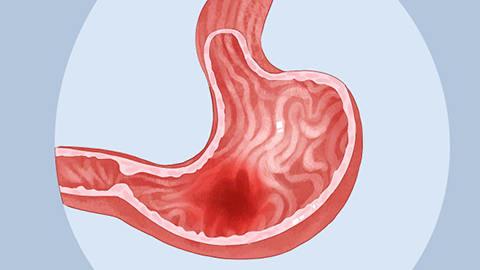
Typical manifestations of chronic gastroenteritis include abdominal pain, abdominal distension, increased bowel movement frequency, and occasionally mucopurulent or bloody stools accompanied by fever. This condition is primarily caused by irregular eating patterns, abdominal exposure to cold, autonomic nervous system dysfunction affecting gastrointestinal motility, or ingestion of contaminated food—leading to infectious lesions and chronic inflammatory changes in the intestinal mucosa. Initial management involves routine blood tests and stool analysis. If infection is confirmed, oral antibiotics may be prescribed under a physician’s guidance.
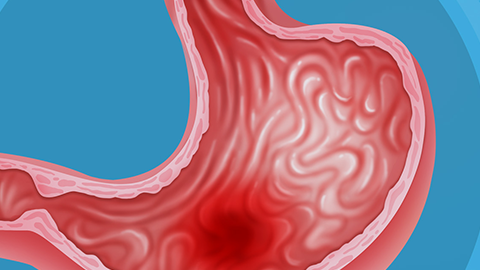
In cases of prominent diarrhea associated with chronic gastroenteritis, medications such as smectite powder and probiotics may be administered under medical supervision to control diarrhea and restore intestinal microbial balance. These agents can also help nourish the intestinal mucosa and alleviate symptoms. For optimal diagnosis and management, colonoscopy is strongly recommended to assess the extent and location of inflammation, enabling formulation of an appropriate, individualized treatment plan. We hope this information proves helpful to you.


