


What Causes Abdominal Pain and Excessive Flatulence?

Passing gas (flatulence) is a normal physiological phenomenon. A healthy individual typically passes gas 10 to 15 times per day; some people may also experience abdominal pain alongside this. So, what causes abdominal pain accompanied by excessive flatulence?
What Causes Abdominal Pain and Excessive Flatulence?
Abdominal pain and flatulence are often caused by intestinal disorders. Flatulence occurs when gases accumulated in the gastrointestinal tract are expelled through the anus. These intestinal gases originate from two primary sources: first, air swallowed during eating and drinking enters the gastrointestinal tract; second, intestinal bacteria produce gases as metabolic byproducts during digestion. When abdominal pain occurs, intestinal motility accelerates. This heightened peristalsis promotes rapid movement of gas within the intestines, leading to increased flatulence.
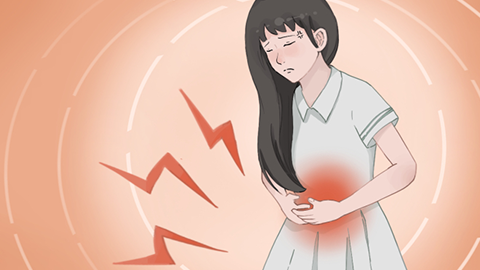
Abdominal pain and flatulence are common complaints, frequently stemming from intestinal inflammation-induced indigestion, which results in gas accumulation and subsequent discomfort. In such cases, patients should first adjust their diet—avoiding spicy foods to prevent exacerbation of intestinal inflammation. Second, oral probiotics may be taken to help restore balance to the gut microbiota. For severe pain, glycerin suppositories (e.g., Dulcolax®) may be used to facilitate bowel movement and gas expulsion. Once gas is released, abdominal pain typically subsides. If conservative measures fail to alleviate symptoms, further evaluation—including colonoscopy—may be warranted, with definitive treatment tailored according to colonoscopic findings.

If abdominal pain is severe, patients should seek medical evaluation and appropriate treatment at a healthcare facility. We hope this information is helpful to you.


