


What does “hepatic cirrhosis changes” mean?

Liver cirrhosis is a very common liver disease. Classified according to pathological morphology, it can be divided into micronodular cirrhosis or macronodular cirrhosis. Once diagnosed, patients must pay close attention to lifestyle modifications. Without effective treatment, cirrhosis may lead to numerous complications. So, what does “cirrhotic change” mean?
What Does “Cirrhotic Change” Mean?
“Cirrhotic change” refers to findings across various diagnostic tests that collectively meet the established criteria for diagnosing cirrhosis. Typically, such changes develop on the basis of chronic liver disease and indicate progression to cirrhosis. For example, routine blood tests may reveal decreased white blood cell, red blood cell, and platelet counts—suggesting hypersplenism. Urinalysis may show signs of jaundice, including elevated urinary bilirubin and urobilinogen. Liver function tests often demonstrate increased alanine aminotransferase (ALT), along with mild-to-moderate elevations in alkaline phosphatase (ALP) and gamma-glutamyl transferase (GGT).
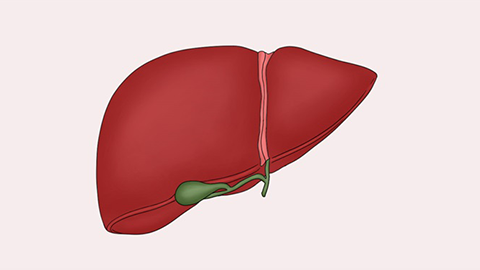
To treat cirrhosis effectively, adequate protein intake is essential to protect hepatocytes and support hepatic stem cell repair and regeneration. However, during hepatic failure or hepatic encephalopathy, the liver’s ammonia-detoxifying capacity declines. To reduce the metabolic burden on the liver and prevent hyperammonemia, protein intake must be strictly restricted and carefully quantified according to disease severity. Conversely, in early-stage cirrhosis, timely and targeted therapeutic interventions can significantly minimize further liver damage, improve quality of life, and extend survival.

In addition to sufficient rest and pharmacological therapy, patients with cirrhosis are advised to adopt nutritional therapy through dietary adjustments and recuperative care. We hope this explanation proves helpful to you.


