


What does “Stage III liver cancer” mean?
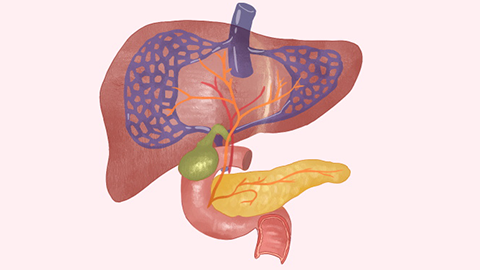
Hepatocellular carcinoma (HCC), or liver cancer, is one of the most life-threatening malignancies and refers to a malignant tumor originating in the liver. Its exact cause remains unclear, but risk factors include excessive alcohol consumption, viral hepatitis (e.g., hepatitis B or C), ingestion of mold-contaminated food (e.g., aflatoxin-exposed grains), and genetic predisposition. Effective management begins with a thorough understanding of the disease—so what does “Stage III liver cancer” mean?
What Does Stage III Liver Cancer Mean?
Stage III liver cancer generally indicates that the tumor has either invaded major blood vessels (vascular tumor thrombus) or metastasized beyond the liver (extrahepatic metastasis), signifying progression to an intermediate or advanced stage. Treatment at this stage is typically complex and challenging. Stage III is further subdivided into Stage IIIA and IIIB: • Stage IIIA primarily denotes vascular invasion—such as involvement of the portal vein or inferior vena cava—manifesting as tumor thrombi in either branch vessels or the main trunk. • Stage IIIB signifies extrahepatic metastasis, with common sites including the lungs, bones, brain, and peritoneal cavity (peritoneal carcinomatosis).

For patients with Stage III liver cancer, primary treatment modalities include interventional therapies (e.g., radiofrequency ablation and percutaneous ethanol injection), radiation therapy, chemotherapy, and targeted therapy. Surgical resection is often not feasible due to extensive disease burden. Without aggressive, multimodal treatment, tumors tend to progress rapidly, resulting in a poor prognosis.
In daily life, patients with liver cancer should maintain a balanced diet rich in fruits, vegetables, high-quality proteins, minerals, and vitamins. After surgery—or during any phase of treatment—patients must adhere strictly to their physician’s recommendations for regular follow-up visits and surveillance testing to monitor disease status and overall health. Any unusual symptoms or findings should be promptly reported to the healthcare team. We hope this information has been helpful. Wishing you optimal health and well-being!


