


What are the normal values for NIBP?

NIBP typically refers to non-invasive blood pressure, with a normal range generally defined as systolic pressure of 90–139 mmHg and diastolic pressure of 60–89 mmHg.
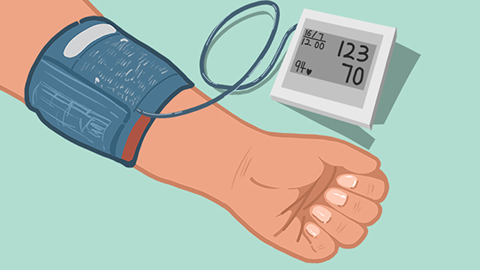
Non-invasive blood pressure usually denotes blood pressure measured on the body surface using a sphygmomanometer with an inflatable cuff; its normal reference range aligns with that obtained via standard sphygmomanometric measurement. Under normal conditions, systolic pressure falls between 90 and 139 mmHg, while diastolic pressure ranges from 60 to 89 mmHg. Systolic pressure primarily reflects the force exerted by circulating blood against arterial walls during ventricular contraction. Its magnitude is influenced by factors including myocardial contractility, cardiac output, and the elasticity of large arteries. Systolic pressure tends to rise during vigorous physical activity.
Diastolic pressure represents the pressure generated by the elastic recoil of arterial vessels during ventricular relaxation and is largely determined by peripheral vascular resistance. Blood pressure values are affected by numerous factors—including age, emotional state, posture during measurement, and arm position—any of which may influence measurement accuracy. Repeated NIBP readings consistently outside the normal range may indicate abnormalities such as hypertension or hypotension, warranting further clinical evaluation and diagnostic workup.
In daily life, cultivating healthy lifestyle habits—such as ensuring adequate sleep, avoiding late-night activities, maintaining a positive mood, and minimizing stress, anxiety, or irritability—contributes significantly to overall health and well-being.


