


Can oral ulcers be contagious?
Jun 08, 2022
Source: Cainiu Health

Dr. Zhang Liwen
Introduction
Aphthous ulcers are not contagious. Infectious diseases are primarily caused by bacteria; however, aphthous ulcers are not clearly associated with bacterial infection. Even when secondary bacterial infection occurs, these bacteria do not cause the ulcer itself—thus, aphthous ulcers are non-infectious. Current evidence suggests a primary genetic basis. Some patients experience recurrent aphthous ulcers, and a familial pattern is often observed: parents or other family members may also suffer from recurrent aphthous ulcers, supporting a hereditary predisposition.
In daily life, if one family member develops oral ulcers, other members often worry whether the condition is contagious. So, are oral ulcers contagious?
Are oral ulcers contagious?
Oral ulcers are not contagious. Infectious diseases are primarily caused by bacteria; however, oral ulcers are not clearly associated with bacterial infection. Even when secondary bacterial infection occurs, those bacteria do not cause transmission of the ulcer itself—hence, oral ulcers are non-contagious. Current evidence suggests a strong genetic component. Some patients experience recurrent oral ulcers. A detailed medical history is important: if parents or other family members also suffer from recurrent oral ulcers, this supports a hereditary predisposition. Additionally, some believe that oral ulcers are linked to “excess internal heat” (a traditional Chinese medicine concept). High stress levels from work or study, or reduced immunity following exposure to rain or cold, may also trigger oral ulcers.
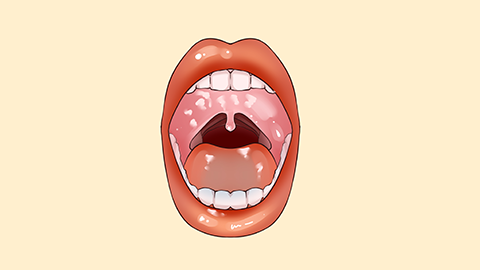
Treatment for oral ulcers depends on their underlying cause, so management strategies vary. For trauma-induced ulcers, treatment involves both eliminating the source of irritation and applying medications that promote wound healing. Since oral ulcers are not caused by infectious agents, topical treatments such as iodine glycerin, strong coffee solution, or Xigua Shuang (a traditional herbal spray) may be used to alleviate pain and accelerate healing.
Recurrent oral ulcers require more complex management, primarily pharmacological. Treatment may involve either systemic (oral) or topical (local) medications. Commonly prescribed agents include immunosuppressants or medicated mouth rinses. It is important to note that antibiotics are ineffective for this condition; therefore, self-medication should be avoided, and treatment must follow physician guidance. We hope this information has been helpful!


