


How to Regulate the Body for People with Excess Internal Heat

Excess body heat is one of the most prevalent constitutional imbalances among contemporary individuals. Underlying this condition are often multiple contributing factors—such as yin deficiency and damp-heat. So, how should individuals with excess body heat manage and regulate their health?
How to Regulate Excess Body Heat
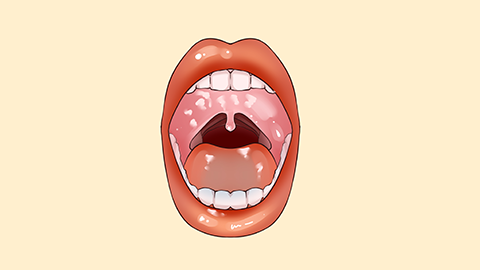
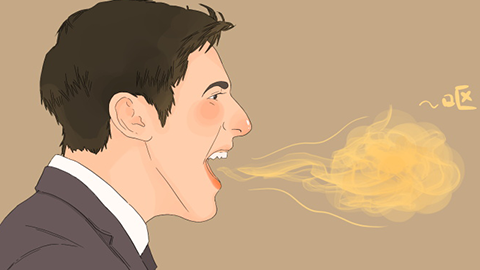
Excess body heat manifests in two primary patterns: excess (or “full”) fire and deficiency (or “empty”) fire. For instance, excess lung heat may present with coughing, yellow, thick, sticky phlegm, difficulty expectorating, and sore throat. In such cases, herbs that clear lung heat—such as Platycodon root (Jiegeng), Houttuynia cordata (Yuxingcao), and honeysuckle flower (Jinyinhua)—may be used. Gastric heat, on the other hand, may cause constipation, oral ulcers, red and swollen gums, halitosis, and a yellow tongue coating. Here, remedies like Niuhuang Qingwei Wan (“Bezoar Clear-Stomach Pill”) or other heat-clearing formulas may be appropriate. Deficiency fire, by contrast, may manifest as tidal fever, night sweats, and a sensation of heat in the palms, soles, and chest (“five-center heat”). This pattern is best addressed through nourishing yin and clearing deficiency fire—for example, with Liuwei Dihuang Wan (“Six-Ingredient Rehmannia Pill”).
Excess body heat may also stem from overactive sweat glands. Some individuals may notice that, under identical environmental conditions, they perspire much more readily than others—or conversely, hardly sweat at all. Those who sweat excessively may have hyperactive eccrine glands, representing an abnormal physiological response; alternatively, it could indicate underlying nerve dysfunction. If symptoms are severe, medical evaluation is recommended.
Individuals with excess body heat should prioritize regular physical exercise to enhance systemic circulation and accelerate metabolism—thereby facilitating the dissipation of excess internal heat. Dietarily, emphasis should be placed on consuming foods that help clear internal heat—such as pears, mung beans, and lotus seeds—while minimizing intake of warming or heat-inducing foods, including lychee, longan, and mango. We hope this information proves helpful to you.


