


Four Major Symptoms of Acute Sinusitis

Acute sinusitis, following the onset of pathological changes, produces large amounts of purulent nasal discharge, which irritates the nasal mucosa and leads to associated symptoms such as headache. As the disease progresses, some patients worry about developing additional symptoms that may cause bodily discomfort. So, what are the four hallmark symptoms of acute sinusitis?
The Four Hallmark Symptoms of Acute Sinusitis
The clinical manifestations of acute sinusitis primarily include the following four symptoms: headache, purulent nasal discharge, nasal congestion, and reduced sense of smell (hyposmia). Headache is the most common symptom of acute sinusitis, and its location varies depending on the affected sinus. In acute maxillary sinusitis, headache is typically localized to the cheek area; in acute ethmoid sinusitis, it commonly presents as a sensation of pressure or pain bilaterally at the inner canthi or periorbitally. Acute frontal sinusitis is characterized by pain localized to the forehead, whereas acute sphenoid sinusitis typically causes occipital pain.
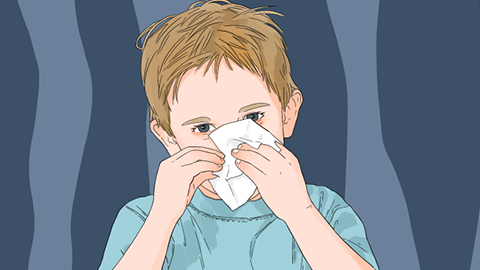
Of note, headache in acute sinusitis may result from several mechanisms: inflammation-induced obstruction of the sinus ostia leads to an imbalance between intrasinusal air pressure and ambient atmospheric pressure, causing vacuum-type headache; alternatively, headache may arise reflexively via neural pathways stimulated by purulent secretions. Purulent nasal discharge, nasal congestion, and hyposmia closely resemble those seen in chronic sinusitis and are not clinically distinctive.
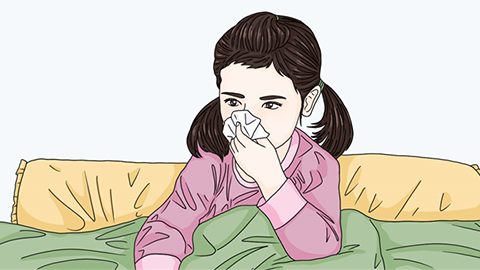
When patients develop symptoms consistent with sinusitis, appropriate pharmacologic therapy for sinusitis should be initiated promptly to alleviate these symptoms effectively. Additionally, individuals experiencing such symptoms are advised to seek timely medical evaluation at a healthcare facility and undergo management under the guidance of a qualified physician. We hope this information proves helpful to you!


