


Is going to bed at 11 p.m. considered staying up late for a pregnant woman?

For every pregnant woman, pregnancy is a special period requiring appropriate preparation. Throughout this time, expectant mothers should take necessary steps to ensure optimal health—for themselves and their developing babies. For instance, unhealthy behaviors and habits should be eliminated, as they may cause fetal discomfort and increase the risk of complications such as miscarriage, fetal malformations, or threatened abortion. So, does going to bed at 11 p.m. constitute “staying up late” for a pregnant woman?
Does going to bed at 11 p.m. count as staying up late during pregnancy?
Going to bed at 11 p.m. does not technically qualify as “staying up late,” but it is still advisable for pregnant women to fall asleep before 11 p.m. The optimal sleep window is between 11 p.m. and 3 a.m., when all major organs require rest and recovery. Chronic late-night sleeping harms women’s health—and poses even greater risks during pregnancy. It is therefore recommended to maintain a regular early-to-bed, early-to-rise schedule; avoid staying up late; consume nutrient-rich foods regularly; ensure balanced nutrition; and avoid spicy or greasy foods.
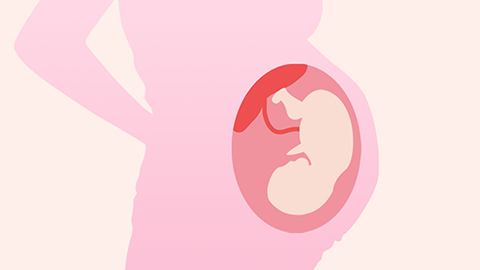
During pregnancy, a woman’s body expends significantly more energy. Frequent late-night sleeping can leave her physically exhausted and severely weaken her constitution—making it essential to go to bed early. Ideally, she should be asleep by 11 p.m. Staying up late regularly carries multiple risks: it can impair immune function, deteriorate maternal health, and hinder fetal growth—potentially resulting in intrauterine growth restriction and low birth weight. For accurate assessment and personalized management, pregnant women are advised to undergo evaluation at a public hospital and consult with a physician face-to-face.
Pregnant women should never self-treat or take medications without medical guidance. Always follow your healthcare provider’s recommendations. We hope this information has been helpful to you.


