


How to Lower Elevated Erythrocyte Sedimentation Rate (ESR) in Rheumatic Diseases

Erythrocyte sedimentation rate (ESR) refers to the rate at which blood cells settle in a vertical tube over a given period; typically, the one-hour ESR is considered the standard measurement. Numerous lifestyle-related factors can cause an elevated ESR. Some individuals with limited knowledge about ESR mistakenly assume it is a specific marker for rheumatoid arthritis. So, how can an elevated ESR associated with rheumatic disease be lowered?
How to Lower an Elevated ESR in Rheumatic Disease
An elevated ESR in rheumatic disease can be reduced using nonsteroidal anti-inflammatory drugs (NSAIDs), disease-modifying antirheumatic drugs (DMARDs), biologic agents, and traditional Chinese herbal washes. In rheumatoid arthritis, a markedly elevated ESR reflects heightened systemic inflammation. A high inflammatory index indicates disease instability and active disease progression. Therefore, controlling the underlying condition—i.e., implementing appropriate anti-rheumatic therapy—is essential. If ESR rises during treatment, it is important to investigate whether other conditions are contributing—for example, bacterial infections such as bronchitis secondary to upper respiratory tract infection or acute gastroenteritis resulting from gastrointestinal infection.
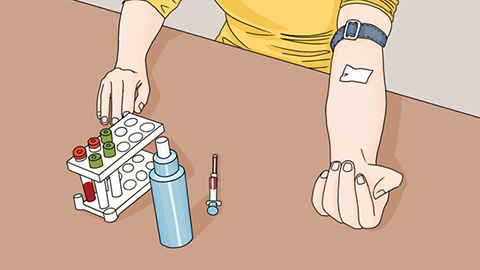
The above medications represent standard approaches for controlling rheumatic disease and thereby lowering ESR. With these strategies, over 90% of patients achieve satisfactory disease control. Traditional Chinese medicine (TCM) offers additional therapeutic options for reducing ESR, primarily through clearing heat and eliminating toxins. Herbs such as rhubarb (Rhei Radix et Rhizoma), forsythia (Forsythiae Fructus), oldenlandia (Hedyotis Diffusae Herba), honeysuckle vine (Lonicerae Caulis), euphorbia (Euphorbiae Pekinensis Radix), and scutellaria (Scutellariae Barbatae Herba) have all been used clinically to lower ESR. Thus, in addition to syndrome differentiation according to TCM principles, these herbs often effectively normalize ESR levels in most cases.
It is recommended to maintain a balanced diet. For individuals with deficiencies in trace elements or vitamins, supplementation with a multivitamin complex may be beneficial. Adequate rest is also crucial.


