


What should I do if my baby is drooling and has a red rash on the chin?
Jun 09, 2022
Source: Cainiu Health

Dr. Ma Yan
Introduction
Parents should pay attention to their baby’s diet if the infant is drooling and developing a red rash on the chin. Drooling accompanied by a chin rash is known as “drool rash,” which is actually caused by allergies; therefore, dietary considerations are important for infants. If the rash worsens after consuming a particular food, an allergy to that food should be suspected. An elimination diet followed by careful observation is recommended as the first step; this may be implemented at around two months of age, depending on the infant’s individual circumstances.
Generally, newborn babies tend to drool, primarily because their salivary glands are not yet fully developed; excessive drooling can lead to red rashes on the chin.
What should you do if your baby develops a red rash on the chin due to drooling?
If your baby develops a red rash on the chin from drooling, pay close attention to their diet. Drooling accompanied by a chin rash is commonly referred to as “saliva rash,” which is actually often triggered by allergic reactions—so dietary considerations are crucial. If the rash worsens after consuming a specific food, that food may be the allergen. Begin with an elimination diet and careful observation; reintroduce the suspected food cautiously after two months. If the rash persists upon re-exposure, a food allergy is likely confirmed. Infants with food allergies may also exhibit additional symptoms such as skin rashes or gastrointestinal issues—including nausea, vomiting, and abdominal bloating. After each feeding, gently rinse your baby’s mouth with clean water and apply a protective moisturizing cream to create a barrier against saliva irritation.
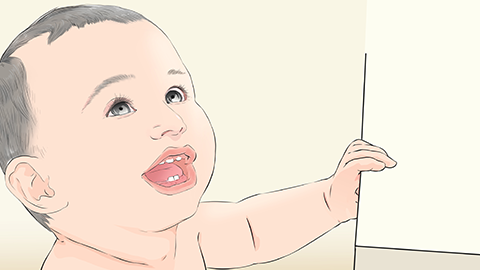
Offer your baby age-appropriate foods with mild texture resistance—such as soft rice or steamed apple slices—to help strengthen chewing muscles and reduce drooling. If drooling is severe, consult a pediatrician to rule out oral abnormalities or impaired swallowing function. When wiping away saliva, do so gently using a soft cloth—avoid vigorous rubbing, which may damage delicate skin and trigger dermatitis. It’s also advisable to use a bib around your baby’s neck to prevent saliva from soaking clothing and potentially causing chills or colds.

If the rash does not improve, seek prompt medical evaluation. We hope this information proves helpful.








