


Why Do Babies Drool?

Many of us have likely dozed off at a desk while feeling drowsy—and many people wake up from napping face-down to find they’ve drooled. So why do infants drool?
Why Do Infants Drool?
Drooling in infants is a normal physiological phenomenon associated with their developmental stage, particularly due to immature coordination of oral motor functions. An infant’s oral cavity is relatively shallow, and functions such as breathing, feeding, and swallowing are not yet fully coordinated. Additionally, rapid breathing reduces the frequency of saliva swallowing, contributing to drooling. Furthermore, when an infant is teething—or about to begin teething—salivary gland activity increases, leading to heightened saliva production. This is one of the primary reasons for infant drooling.
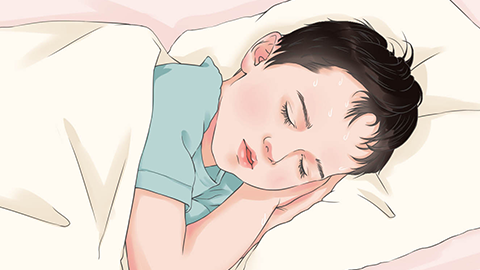
Infant drooling results from increased salivary gland secretion. Since infants’ salivary glands are still immature, they initially produce relatively little saliva. However, by around 5–6 months of age, salivary gland development typically matures, leading to significantly increased saliva production. Yet infants lack the neuromuscular control required to consciously swallow saliva effectively—hence the excess saliva spills out. In contrast, although adults also produce saliva continuously, they possess full voluntary control over swallowing it. Moreover, teething causes oral discomfort, which further stimulates the salivary glands and boosts saliva output.
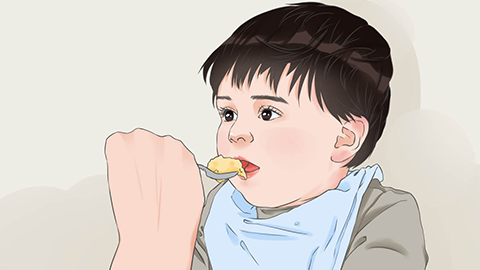
It is recommended that caregivers maintain good oral hygiene for the infant and avoid feeding spicy or irritating foods. We hope this explanation proves helpful.


