


What Causes Lobar Pneumonia?

Lobar pneumonia, also known as pneumococcal pneumonia, is an acute pulmonary inflammatory condition characterized by involvement of one or more entire lung lobes, commonly caused by bacterial infections—most frequently *Streptococcus pneumoniae*. It is a common clinical entity and may present with symptoms such as cough, chest tightness, and high fever. So, what causes lobar pneumonia?
Causes of Lobar Pneumonia
The etiology of lobar pneumonia includes both direct (infectious) and predisposing factors. The primary direct cause is infection with *Streptococcus pneumoniae*; however, other bacteria—including *Staphylococcus aureus*, *Klebsiella pneumoniae*, *Haemophilus influenzae*, and *Legionella* species—can also cause lobar pneumonia. Predisposing factors include fatigue, exposure to cold (e.g., getting caught in the rain), chronic smoking, and excessive alcohol consumption—all of which impair host immunity. Under these conditions, bacteria and viruses can more readily invade the alveoli, thereby increasing susceptibility to lobar pneumonia. Typical presenting symptoms include rust-colored sputum, fever, generalized fatigue, and pleuritic chest pain.
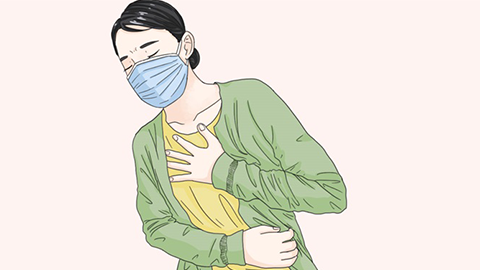
Treatment of lobar pneumonia generally involves antibiotic therapy combined with supportive, symptom-based management. Initially, relevant laboratory tests—including C-reactive protein (CRP), complete blood count (CBC), and sputum bacterial culture—should be performed. Once the causative pathogen is identified, antibiotic selection should be guided by antimicrobial susceptibility testing to ensure optimal therapeutic efficacy. For patients with fever exceeding 38.5°C, antipyretic medications are indicated; for those with temperatures below 38.5°C, physical cooling measures are recommended.

Patients with lobar pneumonia should maintain adequate hydration to preserve fluid and electrolyte balance. We hope this information is helpful to you.


