


What Causes Teeth Grinding During Sleep?

People often exhibit unconscious behaviors during sleep. The most common is bruxism—grinding or clenching the teeth involuntarily while asleep. In fact, nocturnal bruxism is not considered a disease in the same way that sleep-talking is; however, to effectively eliminate this symptom, it’s essential to understand its underlying causes. So, what causes teeth grinding during sleep?
What Causes Teeth Grinding During Sleep?
Nighttime bruxism may result from improper sleeping posture, indigestion, or psychological stress. For instance, if a patient habitually sleeps with their head tilted to one side, this position can compress the masticatory muscles on that side, triggering abnormal muscle contractions and subsequent teeth grinding. Similarly, consuming excessive food before bedtime—especially when digestion is incomplete—can lead to accumulation of undigested food in the gastrointestinal tract, increasing the workload on intestinal motility. Since the masticatory muscles are functionally linked to the digestive system, such gastrointestinal disturbances may predispose individuals to bruxism during sleep. Prolonged mental tension can also heighten cortical activity during nighttime sleep, thereby promoting bruxism.
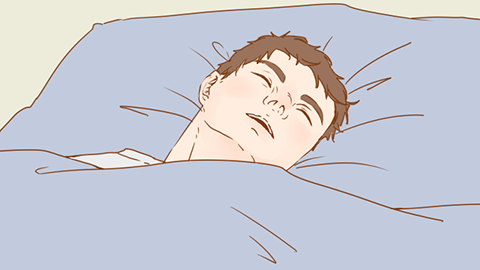
Bruxism during sleep may also stem from genetic factors, endocrine imbalances, excessive work-related stress, physical exhaustion, chronic sleep deprivation, heightened anxiety, depression, or anger. Additional contributing factors include malocclusion (abnormal tooth alignment), irregular dental occlusion, oral diseases, parasitic infections, or calcium deficiency. Patients are advised to undergo comprehensive evaluation at a reputable hospital to identify the precise cause and receive targeted treatment. Additionally, practicing relaxation techniques before bedtime may help reduce symptoms.
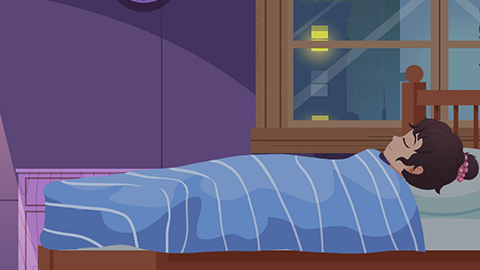
Patients are encouraged to maintain proper sleeping posture and adopt healthy lifestyle habits, both of which can help alleviate bruxism. We hope this information proves helpful to you.


