


Can postpartum rheumatism be cured?
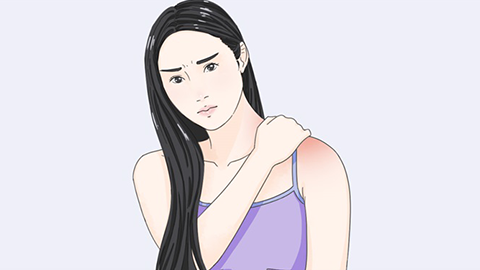
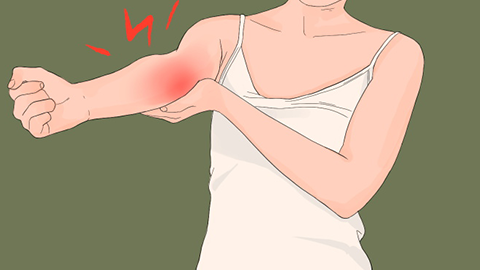
Many women experience physical weakness after childbirth, making them more susceptible to external pathogenic factors such as wind, cold, dampness, and heat—leading to heel pain, joint pain, and muscle aches. Clinically, this condition is termed “postpartum rheumatism,” which is characterized by recurrent episodes. Symptoms typically worsen when the weather turns cold or during periods of excessive physical exertion. So, can postpartum rheumatism be cured?
Can Postpartum Rheumatism Be Cured?
Postpartum rheumatism is generally curable. It is essential to identify the underlying cause—such as rheumatoid arthritis, systemic lupus erythematosus, or Sjögren’s syndrome—and initiate early diagnosis and treatment. After childbirth, the endocrine system gradually returns to normal, and hormonal levels stabilize accordingly. Rheumatic diseases are controllable conditions; with proactive identification of etiology, many such disorders can be effectively managed and alleviated. Therefore, if rheumatic symptoms arise due to hormonal fluctuations during pregnancy and subsequently resolve once the endocrine environment normalizes postpartum, the root cause should still be investigated. For instance, if rheumatoid arthritis is confirmed as the cause, active treatment for RA is warranted—and in most cases, RA symptoms can be substantially relieved.
The onset of postpartum rheumatism may stem from inadequate attention to warmth preservation after delivery. During labor and the immediate postpartum period, excessive bundling or overheating should be avoided, as it may lead to profuse sweating and enlarged pores—increasing susceptibility to wind-cold invasion and thereby triggering postpartum rheumatism. While appropriate warmth preservation is indeed necessary during this period, it should not induce sweating. Proper thermal regulation—without exposure to wind or cold—should maintain comfort without causing excessive perspiration or even heatstroke.
Patients are advised to prioritize rest during treatment and seek prompt medical attention should any discomfort arise. We hope this information proves helpful.


